The Boss of My Own Eyes
a story about the half-second that belongs to you
by Rayda Edding
Bismillah ir-Rahman ir-Raheem.
بِسْمِ اللَّهِ الرَّحْمَٰنِ الرَّحِيمِ
The Thing That Grabbed
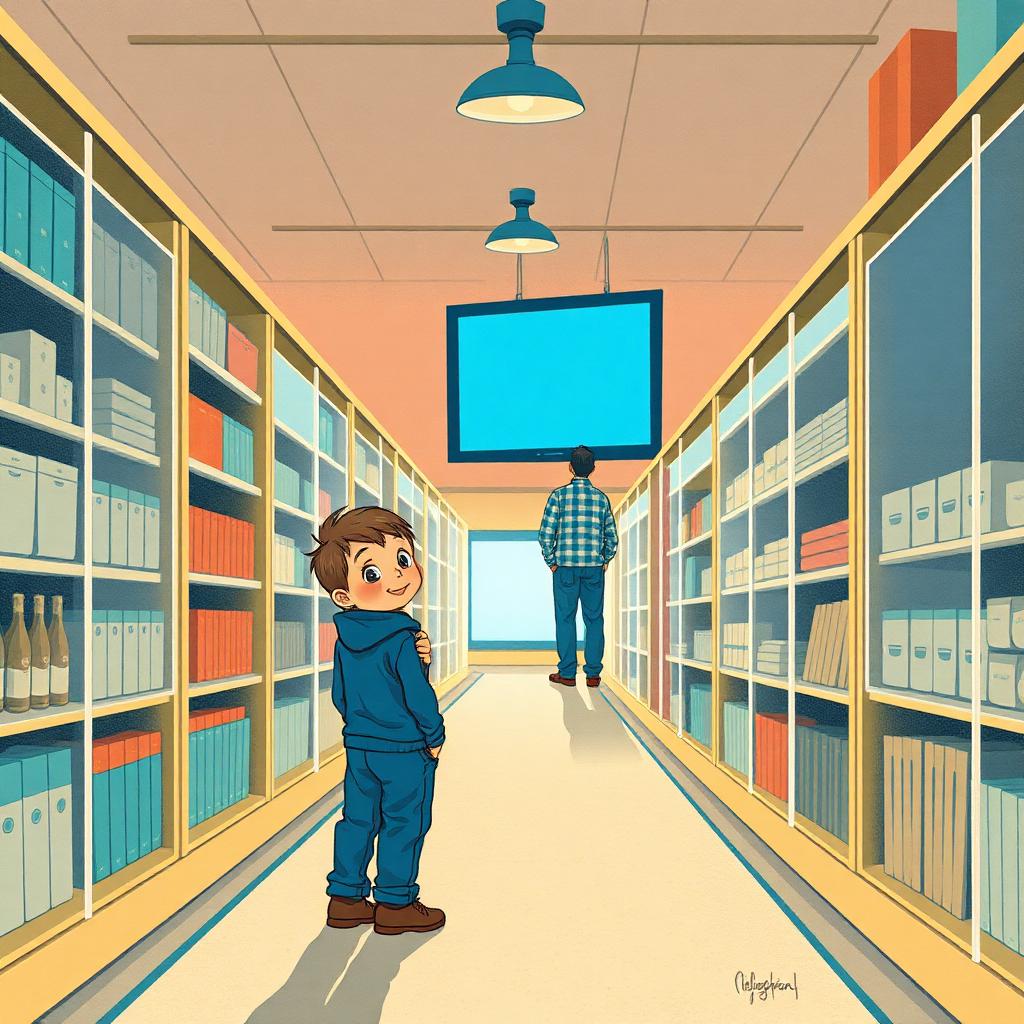
Zayd was eight years old, and he had a very ordinary problem that nobody had ever explained to him.
It happened in the shop.
He was walking beside Baba, holding the list, being extremely helpful — and then, at the end of the aisle, there was a screen.
It was big. It was bright. It was moving.
And it grabbed him.
That is the only word for it. Zayd did not decide to look at it. He did not think, "I would like to look at that screen now." His eyes went, and the rest of him followed, and he stood there with his mouth slightly open like a fish who has forgotten what water is for.
"Zayd."
Nothing.
"Zayd."
Zayd blinked. Baba was standing a long way down the aisle with an eyebrow up.
"…Sorry, Baba. It just…"
He did not know how to finish the sentence.
It just took me.
Who Is the Boss?
That night, Baba sat on the end of his bed and asked a strange question.
"Zayd. Who is the boss of your eyes?"
Zayd looked at him like he had gone soft. "…Me?"
"Are you sure?"
"Of course I'm —"
"Today in the shop," said Baba gently, "did your eyes ask you first?"
And Zayd opened his mouth to say yes — and then closed it again.
Because they had not.
They had gone all by themselves. Something bright had shouted, and his eyes had run off toward it like a puppy who has heard a packet open.
"Baba," he said slowly. "…If I'm not the boss of my eyes, then who is?"
"That," said Baba, "is the best question you have asked me all year. And the answer is: whoever shouts the loudest. The screen. The advert. The shiny thing in the window. The thing that wants your attention and did not ask your permission to take it."
He leaned in.
"Habibi — that is a thief. And nobody ever taught you to lock the door."
First He Told Him Who He Was
Now here is the thing about Zayd's Baba.
He did not say don't look.
He did not say stop it or what's wrong with you or screens are bad.
He said something else entirely, and it was the thing Zayd remembered for the rest of his life.
He said: "Zayd. You are a believer."
Zayd blinked. That was not what he expected.
"Do you know how Allah says this in the Quran? He doesn't say tell the men. Listen carefully —"
قُل لِّلْمُؤْمِنِينَ يَغُضُّوا۟ مِنْ أَبْصَـٰرِهِمْ
“Tell the believing men to lower from their gaze…”
— Surah An-Nur (24:30)
"Do you hear it, Zayd? The believing men. Before Allah tells them what to do, He reminds them who they are.
He doesn't say do this so you can become a believer. He says: you already are one. You already have iman living in your chest, right now, tonight, at eight years old.
So He's not giving you a rule, habibi. He's giving you a mirror. He is saying: you are a believer — now let your eyes catch up with your heart."
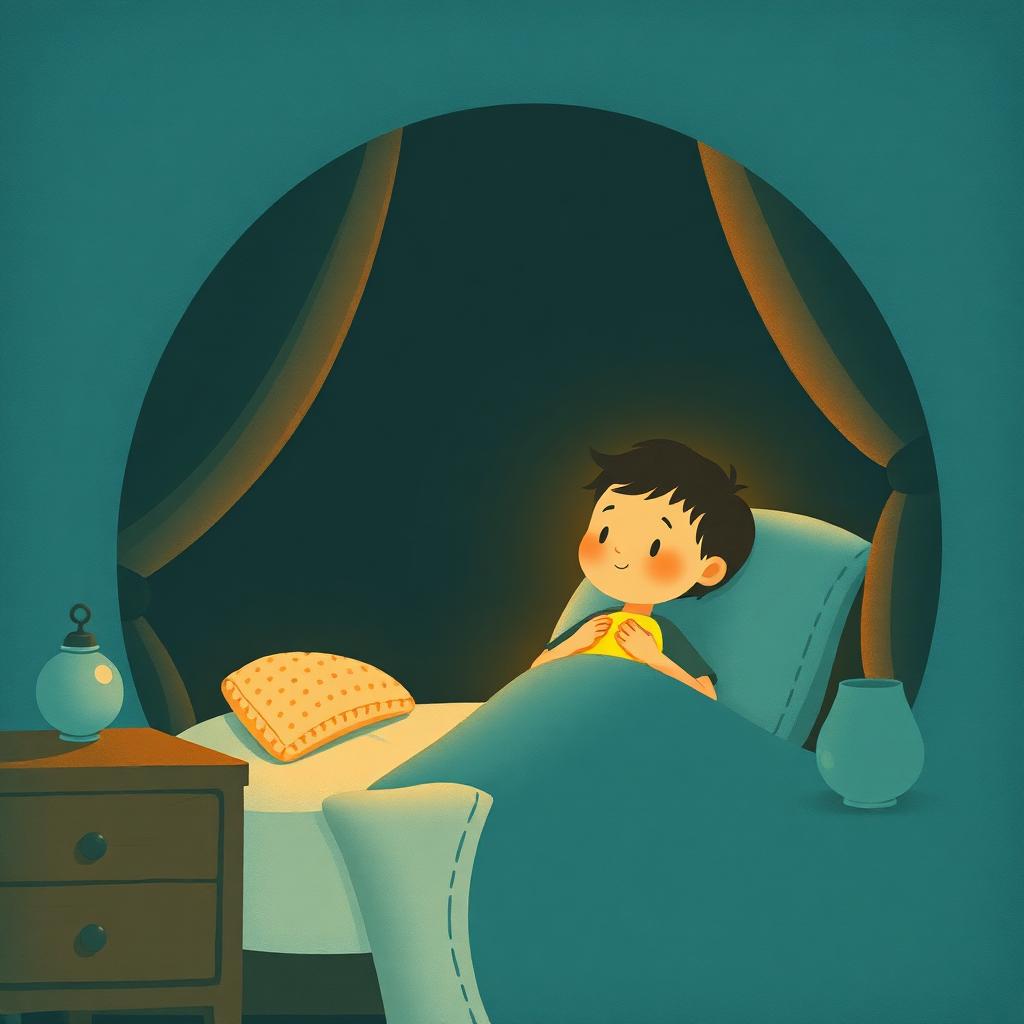
And Zayd, lying in the dark, felt something in his chest sit up a little straighter.
Because don't look is a rule.
But you are a believer — so how does a believer walk through a shop?
That is not a rule.
That is an invitation.
The Little Word That Sets You Free
"But Baba," said Zayd, and here came the worry, "I can't stop seeing things. I've got eyes. They're on the front of my face. They see everything!"
And Baba laughed out loud.
"Habibi! Come here. This is my favourite part of the whole ayah, and almost nobody notices it."
He held up two fingers.
"Allah did not say lower your gaze. He said: lower FROM your gaze. There is a tiny little word in there — min — and it means from. Some. Part of it.
Which means — listen to me, Zayd — Allah is not asking you to stop seeing."
Zayd sat up. "…He's not?"
"Of course not! Who made your eyes?"
"…Allah."
"So who knows exactly what they can and cannot do?"
"…Allah."
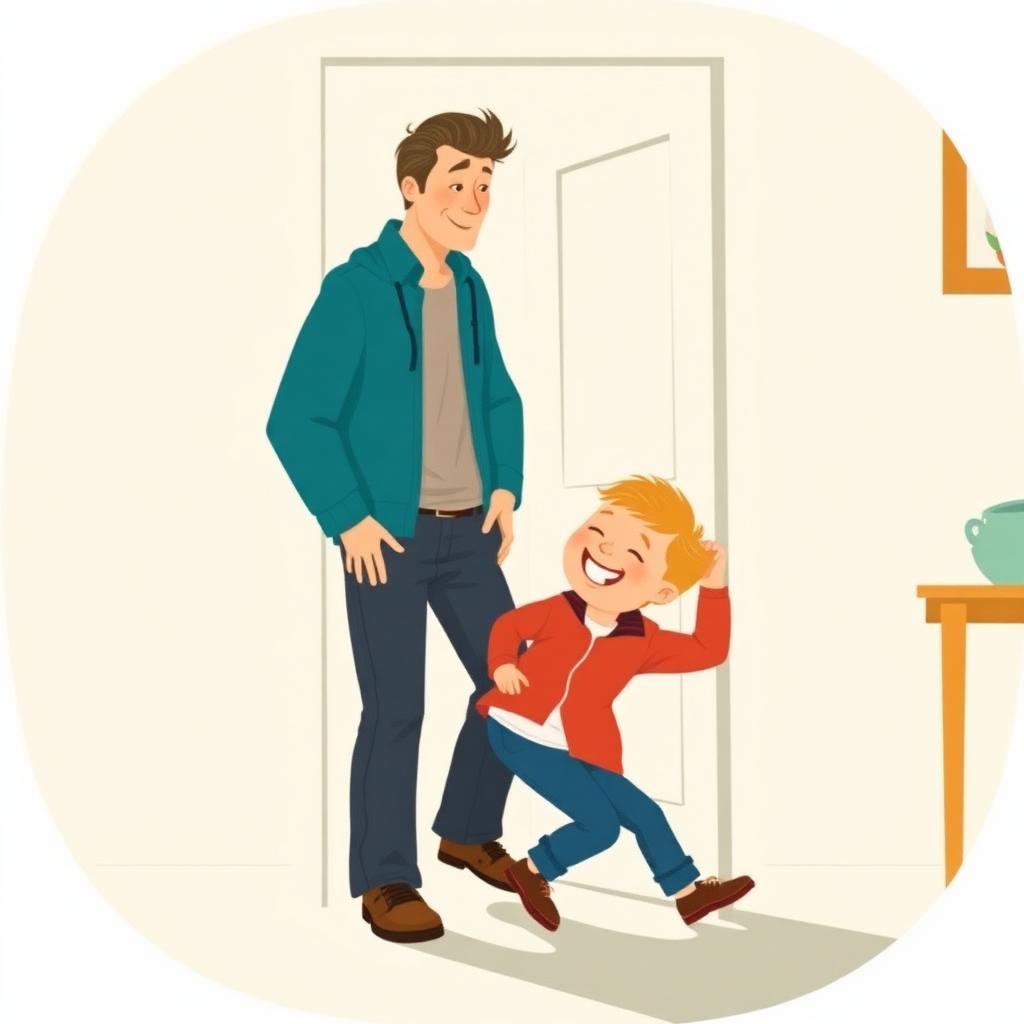
"He knows you have to cross the road. He knows you have to find the cereal, and look at your teacher, and catch a ball, and see your mother's face when she's calling you for dinner. He built you. He is not asking you to walk around like this —" and Baba shut his eyes and walked into the doorframe on purpose, and Zayd laughed so hard he got hiccups.
"He is not asking you to be blind, habibi."
Baba sat back down.
"He is asking you to be the boss."
The Half-Second
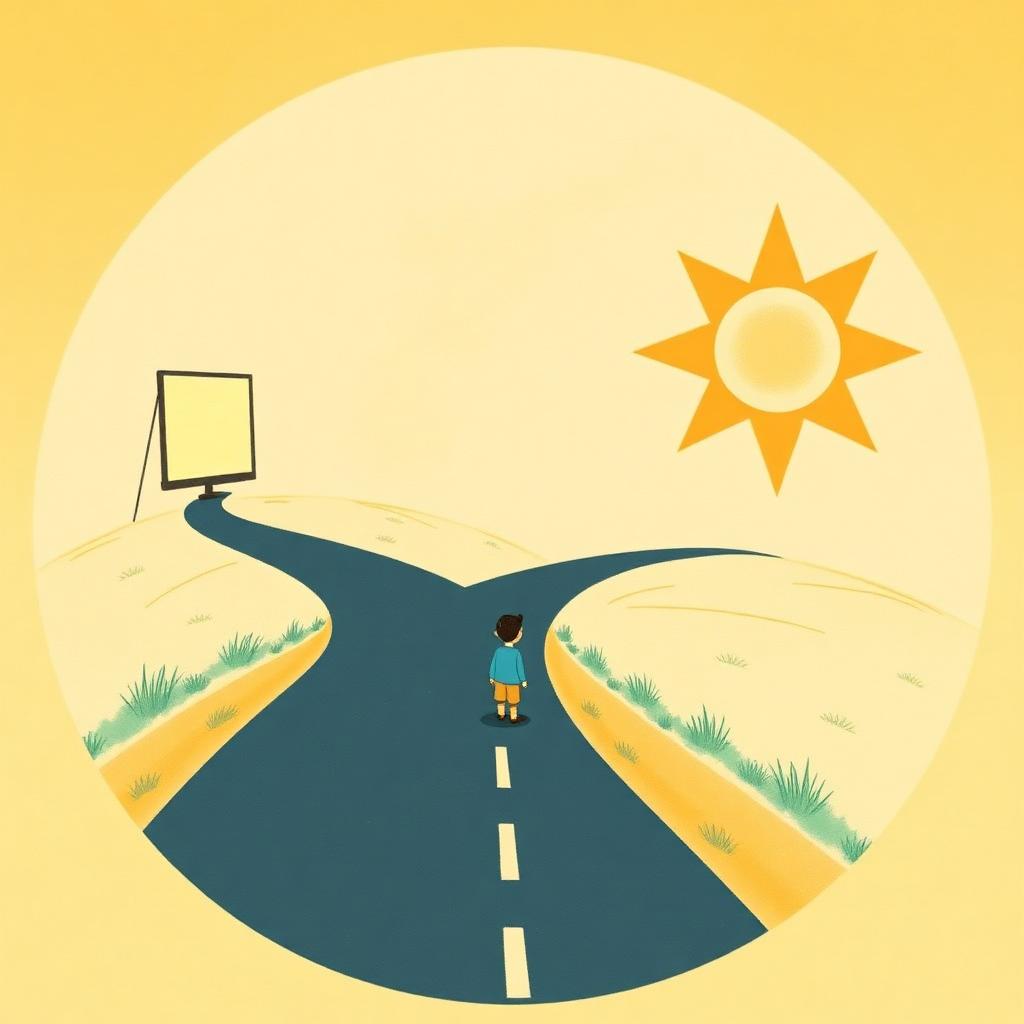
"So here it is," said Baba. "The whole secret. Are you listening?"
Zayd nodded.
"Something bright appears. Your eyes go — whoosh — before you can stop them.
That first look is not yours. You did not choose it. You will not be asked about it. Let it go.
But then…" Baba held up one finger and went very quiet.
"…there is a half-second.
And in that half-second, there is a fork in the road.
Do my eyes go back for a second helping? Do I keep staring? Do I let my thoughts wander off after it down the street?
Or —" Baba turned his own head, slowly, calmly, like a king who has decided a thing is not worth his time — "do I turn?"
Zayd stared at him.
"That half-second is the whole thing, Zayd. It is the most important half-second of your entire day, and it happens about four hundred times, and nobody ever tells you it's there.
The first glance is not yours. The second one is.
And the second one is where you find out who is really the boss."
The Doorway

"And Baba — why eyes, though? Why does Allah start there?"
Baba thought for a moment. Then he pointed at the bedroom door.
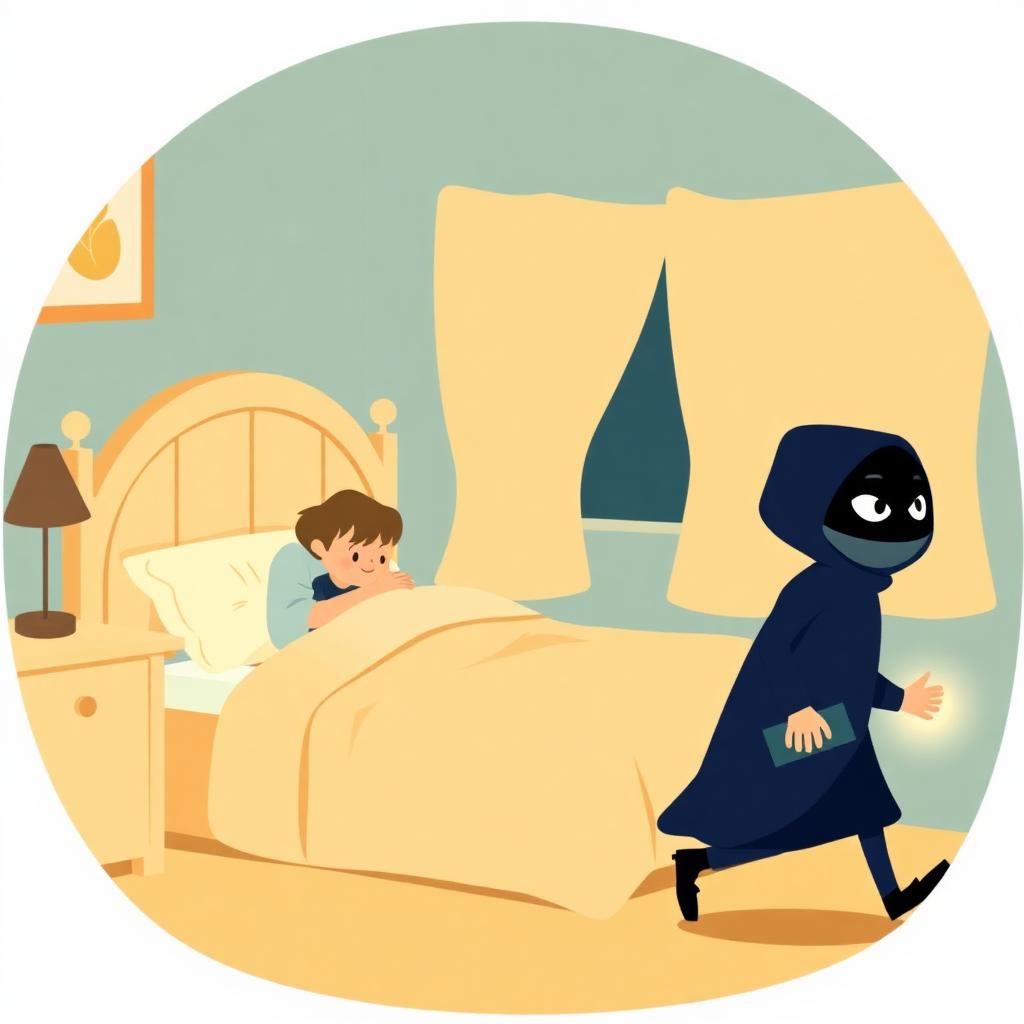
"Zayd. Imagine our house. Where do burglars get in?"
"…The door?"
"And if you lock the door?"
Zayd worked it out. "Then… they never get to the rest of the house."
"There it is." Baba smiled. "Your eyes are the door. Your heart is the house.
Allah tells us to guard the gaze first — before He says anything else — because He is stopping the trouble at the front step, while it is still small, while it is still outside, while it is still easy to stop.
Anybody can slam a door. It is much, much harder to chase a burglar out of your own bedroom.
That is why the eyes come first, habibi. Not to make your life smaller.
To keep your house safe."
The Thing That Grows
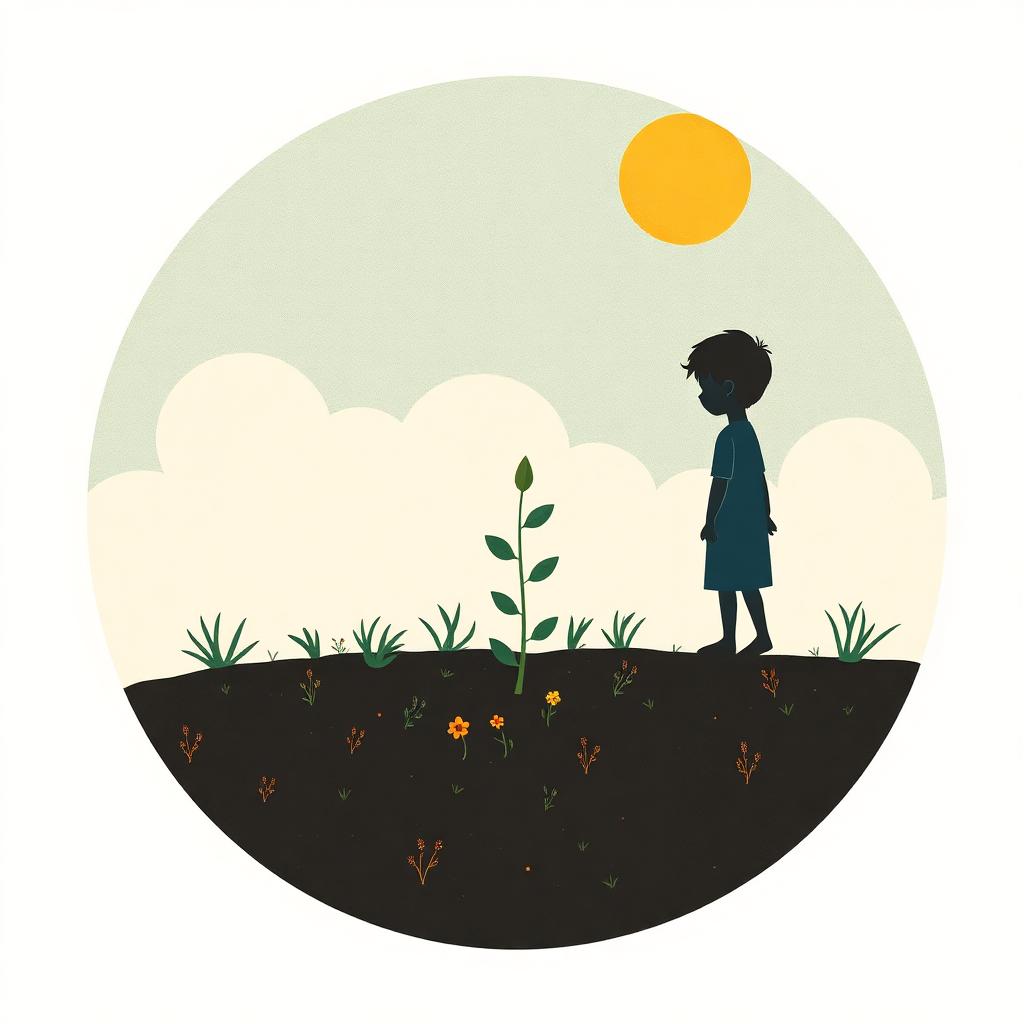
"And here is the part I want you to remember when you are a grown man," said Baba. "Because after Allah says it, He tells us why. And it is not what you think.
He does not say because you'll be punished. He does not say because it's hard.
He says: ذَٰلِكَ أَزْكَىٰ لَهُمْ — that is purer for them.
And that word — azka — it comes from the same family as tazkiyah. And do you know what that means?
It means growing. It means a little plant getting cleared of all the weeds that were choking it, so it can finally shoot up toward the sun."
Baba tapped Zayd's chest.
"So when you turn your eyes away, Zayd — you are not just not doing something bad.
Something is growing in there.
Every single time. A little taller. A little stronger. In a place nobody can see."
“Verily, you will never leave something for the sake of Allah, except that Allah will give you something better than it in its place.”
— Musnad Ahmad
"Do you hear that? You don't lose when you turn away, habibi.
You trade.
And Allah has never once made a bad trade with anybody."
The One Who Saw
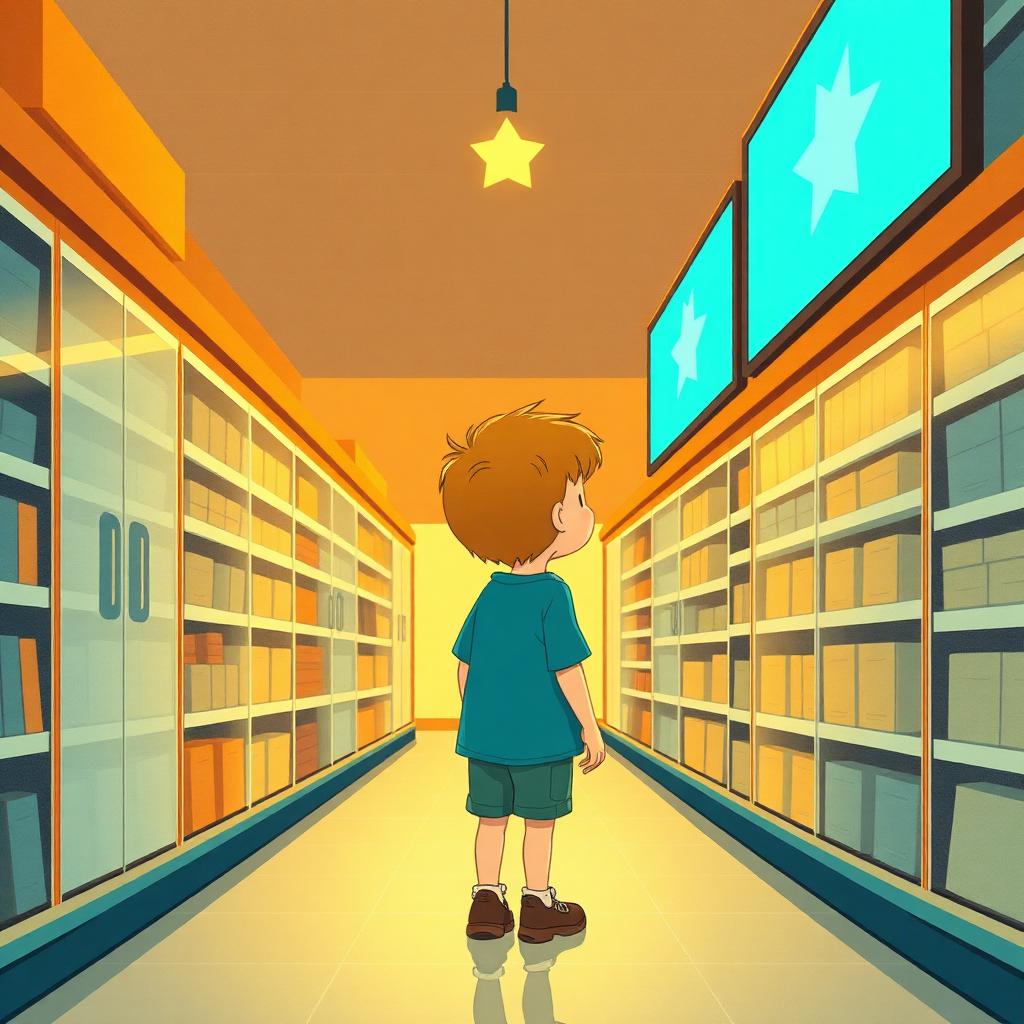
Three weeks later, something happened that was the reason for this whole story.
Zayd was in a shop. A different one. And he was completely alone in the aisle.
Baba was two aisles away. There was no one else. Not a single person on this earth could see him.
And there it was again. Bright. Moving. Grabbing.
His eyes went — whoosh —
And then Zayd felt it.
The half-second.
Standing there. Waiting for him. Like a door held open.
And Zayd — eight years old, alone, with nobody watching, nobody counting, nobody about to praise him —
turned his head.
That was all. It took less time than a blink. Nothing happened. No lightning. No applause. He picked up the rice and walked to the till like a completely ordinary boy on a completely ordinary Tuesday.
But something enormous had just happened.
He told Baba in the car, and Baba pulled over.
Actually pulled the car over, at the side of the road, and turned around in his seat with his eyes shining.
"Zayd. Look at me. Do you understand what you just did?"
"I… turned my head?"
"Nobody saw that."
"I know. That's why I —"
"No, habibi. Listen. Nobody saw that. Nobody on this whole earth. Not me. Not your mother. Not one single human being will ever know that it happened."
Baba's voice went quiet.
"Except One."
And then he told Zayd the last words of the ayah:
إِنَّ ٱللَّهَ خَبِيرٌۢ بِمَا يَصْنَعُونَ
“Indeed, Allah is Al-Khabir of what they deliberately do.”
— Surah An-Nur (24:30)
"Allah didn't say Al-'Alim there — the One who knows. He chose Al-Khabir — the One who knows the things that are hidden. The secret struggle. The quiet fight. The victory that nobody, nobody, nobody claps for.
Zayd — you did a thing in an empty aisle that no human being will ever know about.
And it was not lost.
It was seen. It was written down. It was loved — by the One who specialises in exactly that."
And this is what the Prophet ﷺ taught us it means to worship Allah beautifully:
“It is to worship Allah as though you see Him — and if you do not see Him, then indeed He sees you.”
— Sahih al-Bukhari; Sahih Muslim
Today, something is going to grab a pair of young eyes somewhere.
A screen. A window. A something.
It will not ask permission. That is not anyone's fault, and it is not their sin, and Allah — who built those eyes with His own command — is not angry with them for having them.
But then…
there will be a half-second.
And it will be sitting there, waiting, like a door held open.
And in that half-second there is only one question that matters:
Who is the boss of my eyes?
Turn your head, habibi.
Nobody will see it.
And that is exactly why it is worth so much.
The Half-Second Drill
Practise it until your head turns before you even think about it.
- 1
It grabs. Not your fault. Not your sin. Allah built your eyes.
- 2
You feel the half-second. This is the door. This is your moment.
- 3
You say it inside: I am a believer. I am the boss of my eyes.
- 4
You turn. Like a king. No drama. Not worth your time.
- 5
You whisper: Ya Allah, You saw that.
And something grows in your chest that nobody on earth can see.
Allahumma ij'al awladana min as-saliheen. Allahumma ihfadh-hum min kulli sharr.
O Allah, make our children among the righteous. O Allah, protect them from every harm. O Allah, make their eyes obedient and their hearts pure — and for every victory that no one on this earth ever sees, be the One who saw it.
Ameen.
For young bosses to try
- 1
Ask the question out loud. Who is the boss of my eyes? Say it every morning. A boss who forgets he is the boss stops being one.
- 2
Learn the mercy first. Allah did not ask you to be blind. He asked you to be the boss. Say it to yourself the very next time your eyes get grabbed — and then stop feeling bad about the first glance. It was never yours.
- 3
Name the half-second. The moment you can name is the moment you can win. Catch it once today. Just once.
- 4
Turn like a king. Not in a panic. Not with a big dramatic flinch. Just calmly — that is not worth my attention — and move on.
- 5
Tell somebody about an invisible win. Then let them make a fuss of you. Because a victory nobody saw is worth more than a trophy anybody can see.