The Door That Did Not Close
a story about how to decide when you do not know
by Rayda Edding
Bismillah ir-Rahman ir-Raheem.
بِسْمِ اللَّهِ الرَّحْمَٰنِ الرَّحِيمِ
Based on a true story. It was 2007, and I was terrified.
The Best Problem in the World
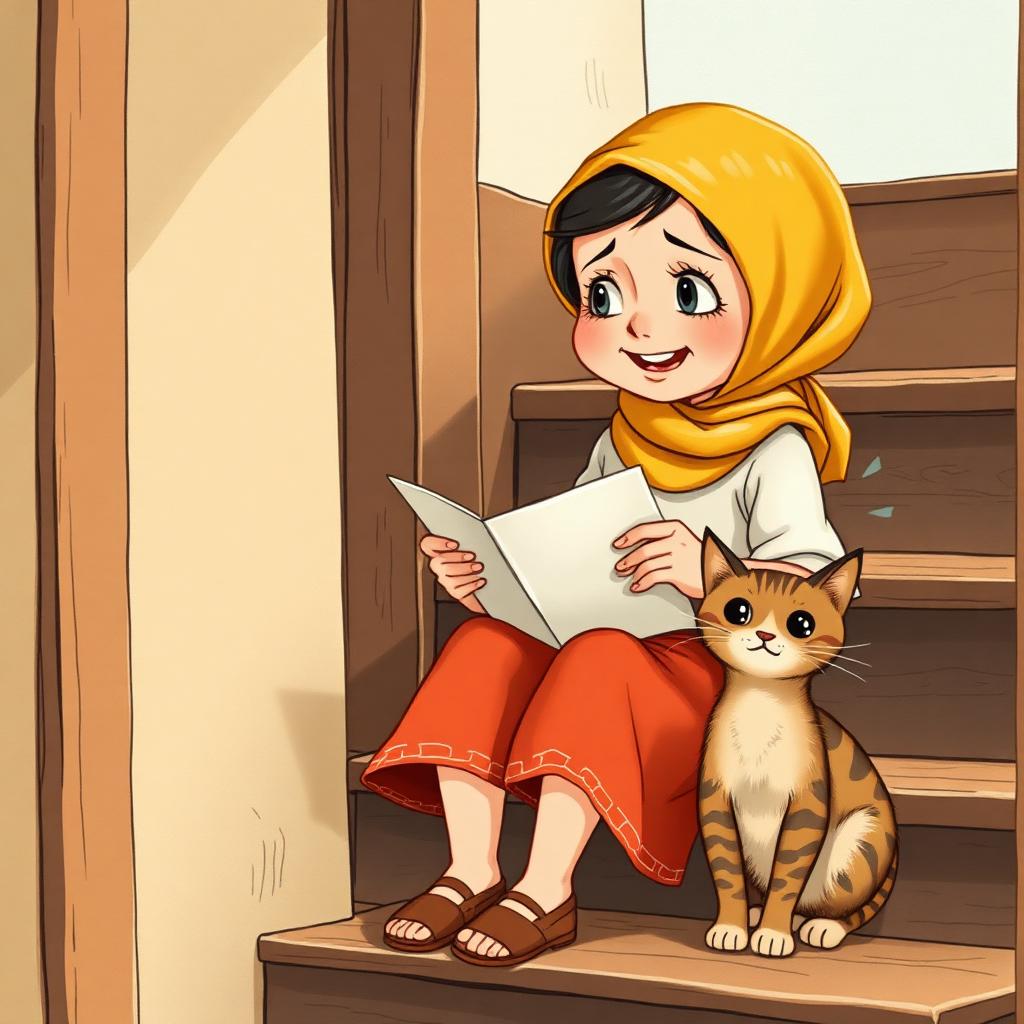
Khadija was nine years old, and on Tuesday she got the letter.
She read it four times standing up, and then she had to sit down on the stairs and read it again, because her legs had stopped being interested in holding her.
She had been chosen.
Out of the whole city. A place on the team. The proper one, with the coach who had actually been to the championships, and the kit with your own name on the back, and everything.
Khadija made a noise that startled the cat.
And then — because life is like this, and nobody warns you — she read the last line.
Training is every Thursday.
She sat very still on the stairs.
Thursday.
Thursday was her halaqa. The Quran circle she had been going to since she was five. Sister Amina, and the way she explained an ayah until it opened up like a door. And her three best friends. And the tea afterwards.
Khadija sat on the stairs holding the best news of her whole life —
and could not work out why it felt so heavy.
Everybody Knew
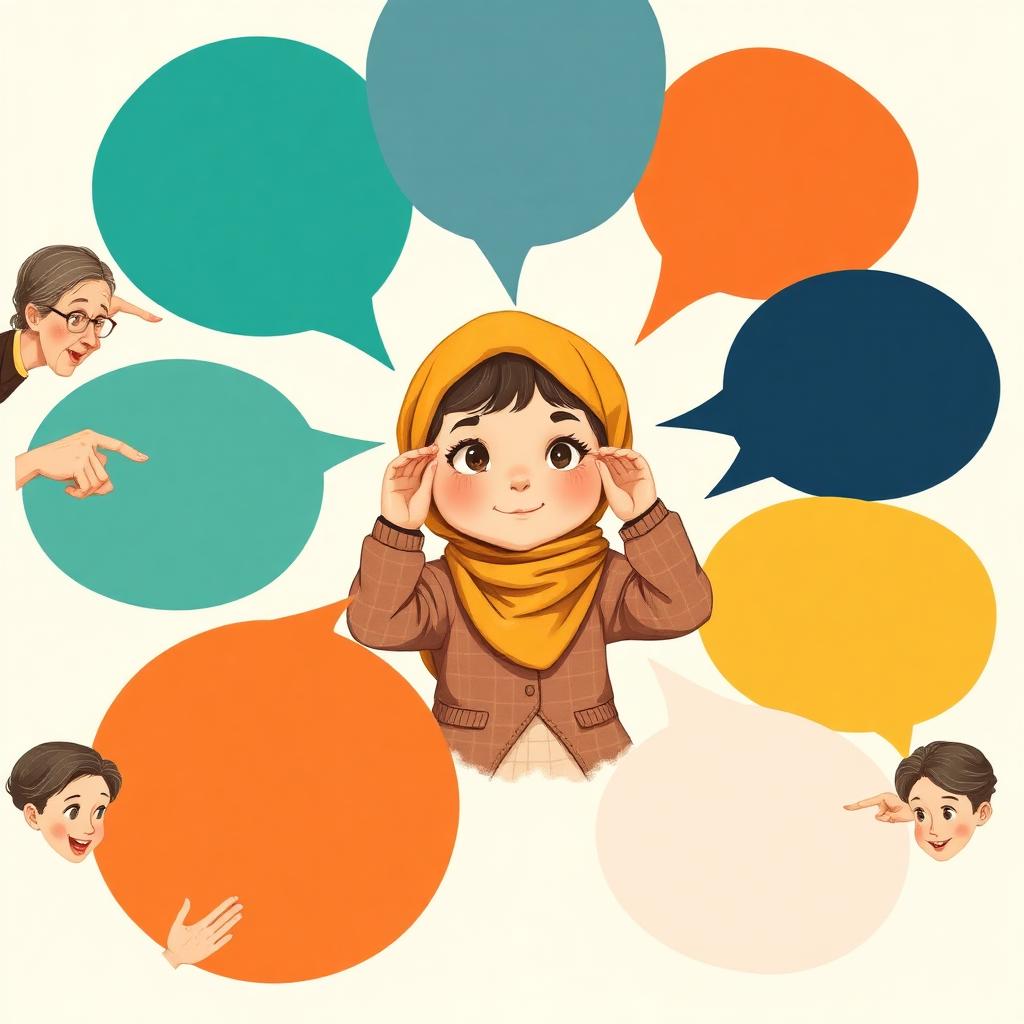
Here is the thing about a hard decision.
Everybody has an answer. And they are all completely certain.
Her cousin said: Are you joking? TAKE IT. You'll never get picked again. Halaqa is every week, it'll still be there.
Her best friend said, very quietly: So… you're just going to leave?
Her uncle said: This is a wonderful opportunity, mashaAllah. Allah opened this door for you!
Her auntie said: Habibti, be careful. It starts with one Thursday. It never stays one Thursday.
And here is what Khadija noticed, and it surprised her.
Not one of them was being unkind.
Not one. Every single person was saying it because they loved her. They all wanted the best for her. They were all being warm and serious and sincere.
And they all said completely opposite things.
So by Thursday night, Khadija's head was the loudest room in the house, and there were six people shouting in it, and every single one of them was somebody she loved.
The Question at the Bottom
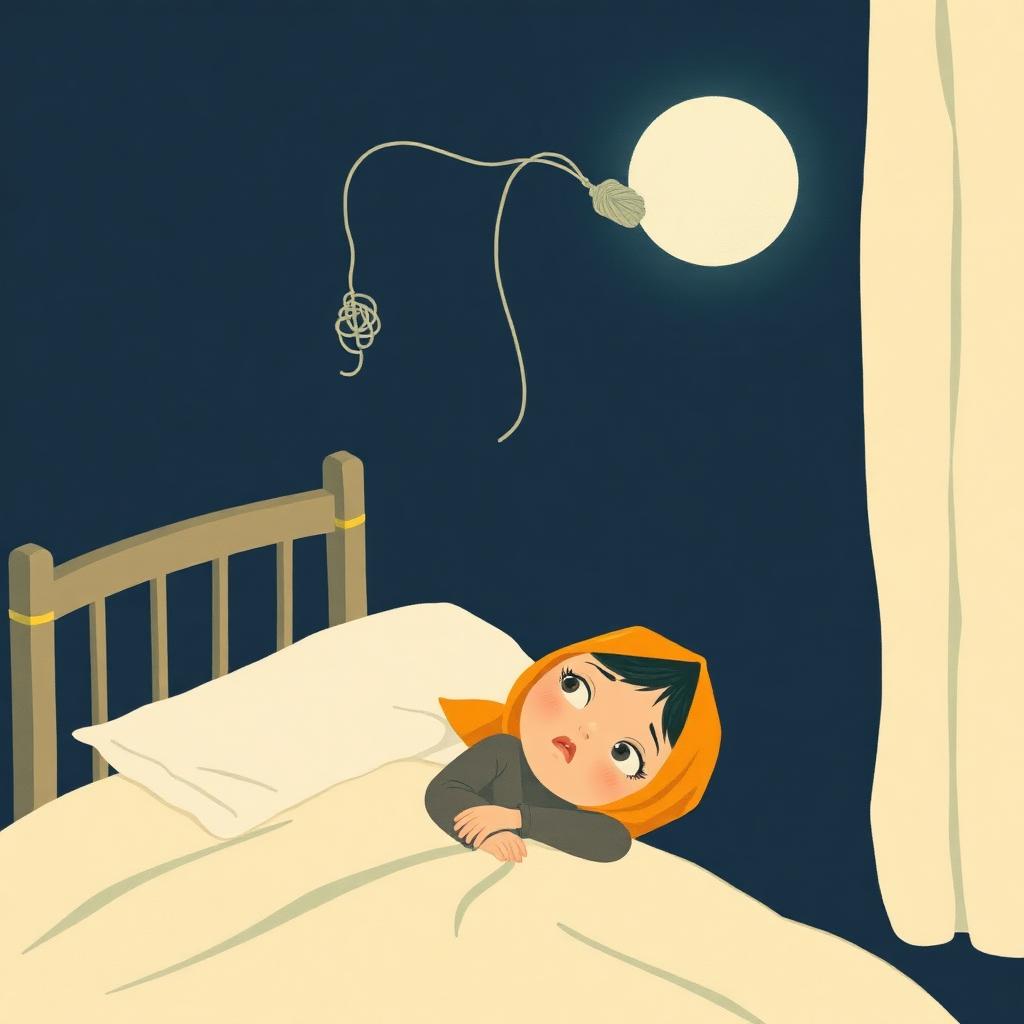
That night she could not sleep.
It is a particular feeling — when the house has gone quiet and everybody else has switched off, and suddenly your thoughts get louder, as though they had been waiting all day for the noise to die down so they could finally have your full attention.
And underneath all the arguing voices, right at the bottom, Khadija found the real question. The one she had been too busy to notice.
It was not which one do I want?
It was:
What if I choose wrong?
What if she picked the team and slowly, quietly, without ever deciding to — she became somebody who did not go to halaqa anymore?
What if she picked halaqa and the chance never came back, and she spent her whole life wondering?
She was nine years old.
And she genuinely, honestly, did not know.
I Don't Know. You Do.
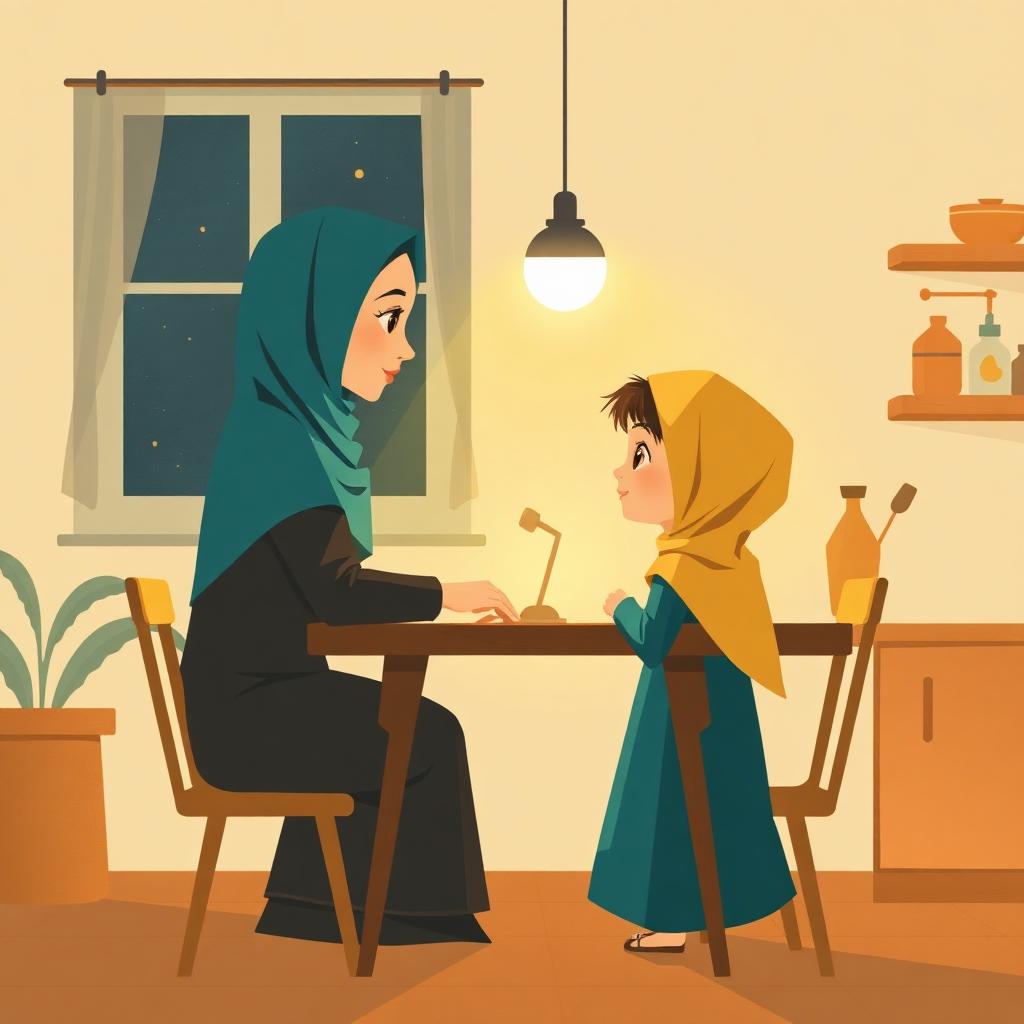
She found her mother in the kitchen at a time when mothers are not supposed to be in kitchens.
"Mama. I can't decide. Everybody's telling me something different and they're all right and I don't know and —"
Her mother did not tell her what to do.
It was the most loving thing she could possibly have done.
She said: "Habibti. Do you know that Allah gave us a prayer for exactly this?"
Khadija sniffed. "For… deciding?"
"For deciding. Listen to what Jabir (radiyallahu anhu) said about our Prophet ﷺ:"
“The Messenger of Allah ﷺ used to teach us istikhara for all matters, just as he would teach us a surah of the Quran.”
— Sahih al-Bukhari
"Do you hear how he taught it, Khadija? Like a surah. Not like an emergency button. Not like something you drag out once in your life when everything is falling apart.
Like something you know by heart. Like something ordinary. For all matters — big ones, small ones, and the ones that feel enormous when you are nine and sitting on the stairs."
"But what is it?"
And her mother sat down opposite her and said the sentence Khadija carried for the rest of her life.
"It is you saying to Allah:
I don't know. You do.
Please choose for me.
That's it. That is the whole thing."
The Part Nobody Tells You
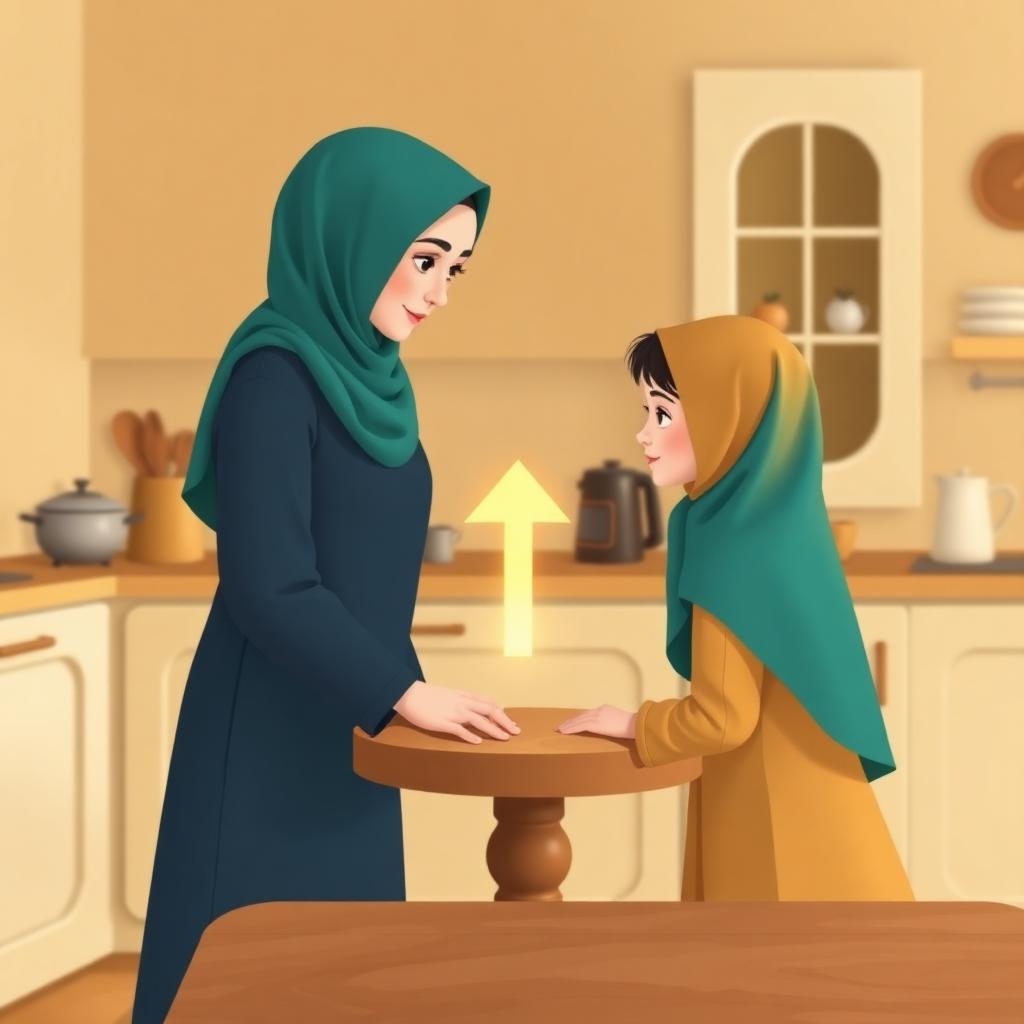
"So I do the prayer," said Khadija, sitting up, "and then I get a dream? And the dream tells me?"
Her mother laughed — but gently.
"Ah. Habibti, no. That is what everybody thinks, and it is the reason so many people are disappointed.
There is no secret. There is no dream you have to wait for. Most people never get one.
And there is something much harder than a dream."
"…What?"
Her mother leaned across the table.
"You have to actually mean it."
Khadija blinked.
"Listen carefully, because this is the whole test. In istikhara you say: Ya Allah, if this is good for me — bring it close. And if it is bad for me — take it away from me, and take me away from it.
Take it away from me.
So." Her mother's eyes did not move. "If you pray it while you have already decided… that is not istikhara, my love. That is asking Allah to sign a paper you already wrote.
The question is not will you pray it.
The question is:
If Allah pointed the other way — would you actually go?"
Khadija sat with that for a long, long moment.
Because that is a much bigger question than a Thursday.
And then she said, in a very small voice:
"…Yes. I would."
And her mother said, "Then go and pray, habibti. He is listening. He has been waiting for you to ask."
Two Rakats
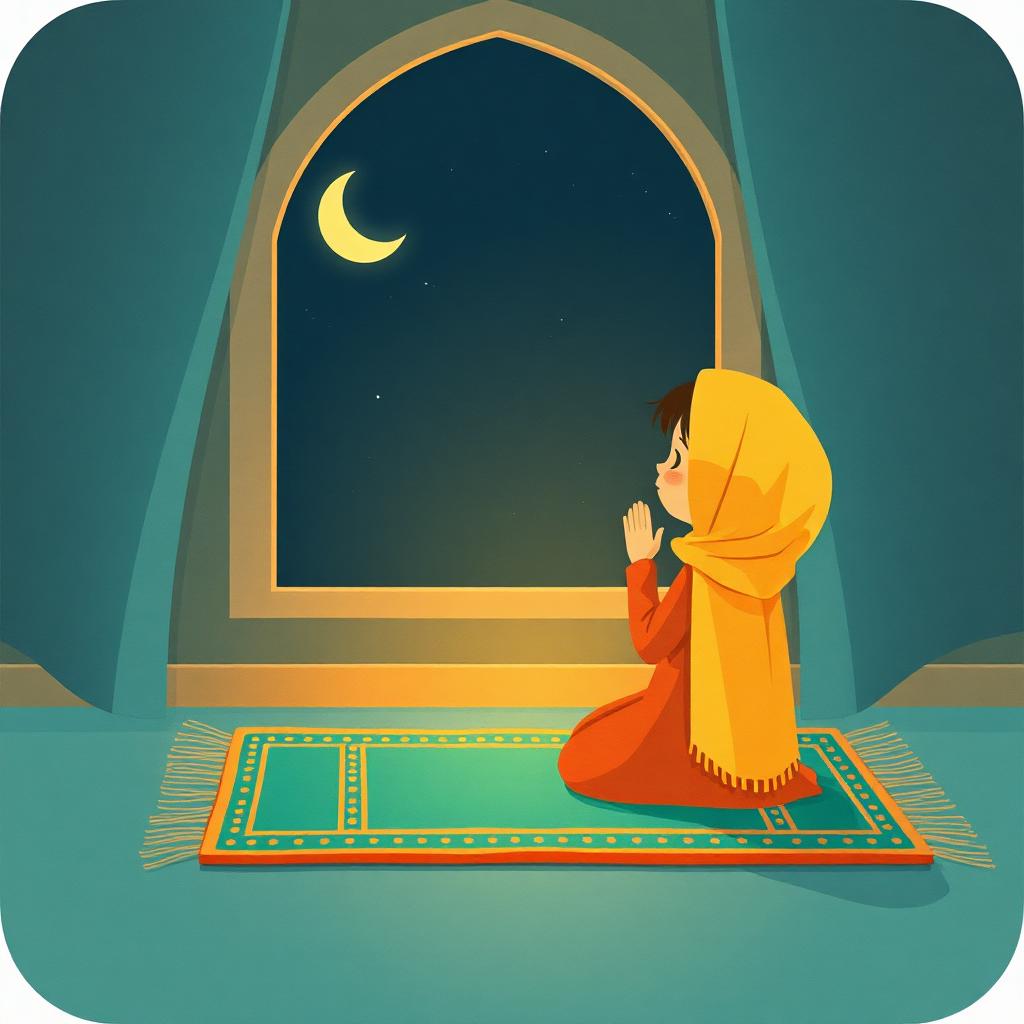
So Khadija got up.
She made wudu. She prayed two rakats — just two, ordinary ones, nothing fancy, the same as any other prayer she had ever prayed.
And then she raised her hands, and she said the du'a her mother had written out for her on a piece of paper, and she read it slowly, because she wanted to understand every word she was saying:
اللَّهُمَّ إِنِّي أَسْتَخِيرُكَ بِعِلْمِكَ وَأَسْتَقْدِرُكَ بِقُدْرَتِكَ
“O Allah, I seek Your guidance by Your knowledge, and I seek strength by Your power… for You know, and I do not know. You are able, and I am not able. You know all things unseen. O Allah — if You know that this matter is good for me in my religion, my life, and my end, then decree it for me, make it easy for me, and bless it for me. And if You know that it is bad for me… then turn it away from me, and turn me away from it. And decree for me the good, wherever it is — and make me pleased with it.”
— the du'a of Istikhara, Sahih al-Bukhari
Then Khadija said ameen, and got into bed, and waited for the enormous magical thing to happen.
Nothing happened.
She fell asleep.
She did not dream about anything at all, except possibly a sandwich.
The Settling
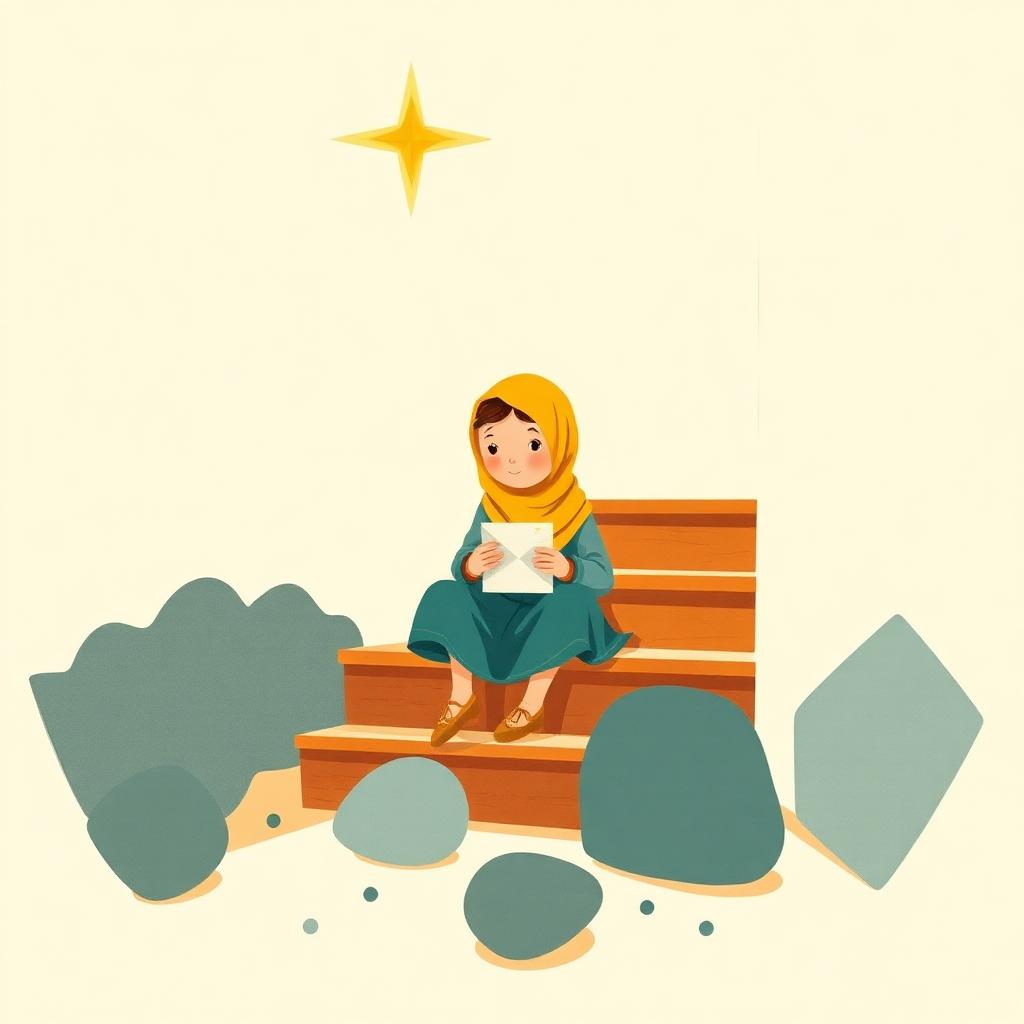
Over the next few days, Khadija noticed things.
Small things. Nothing dramatic.
She noticed that when she imagined the team, her chest got tight in a way that had nothing to do with excitement.
She noticed that when she imagined telling Sister Amina she was leaving, something inside her went no — clearly, and without shouting.
She noticed that the coach called and said, actually, they had a second group on Saturdays if any of the Thursday children could not make it.
She noticed that her mother did not ask her once. Not one single time.
And then, on a completely ordinary morning, sitting on the same stairs with the same letter —
it settled.
That is the only word for it, and Khadija spent years trying to find a better one and never did.
The noisy room in her head went quiet. The six loving, shouting people just… sat down. The tightness let go.
And underneath where all the fear had been, there was something calm and steady and certain, like standing on a rock instead of on sand.
She had not been given a sign.
She had been given a settling.
And Khadija understood something at nine years old that a great many grown-ups never understand at all:
That is what an answer feels like.
The Door That Did Not Close
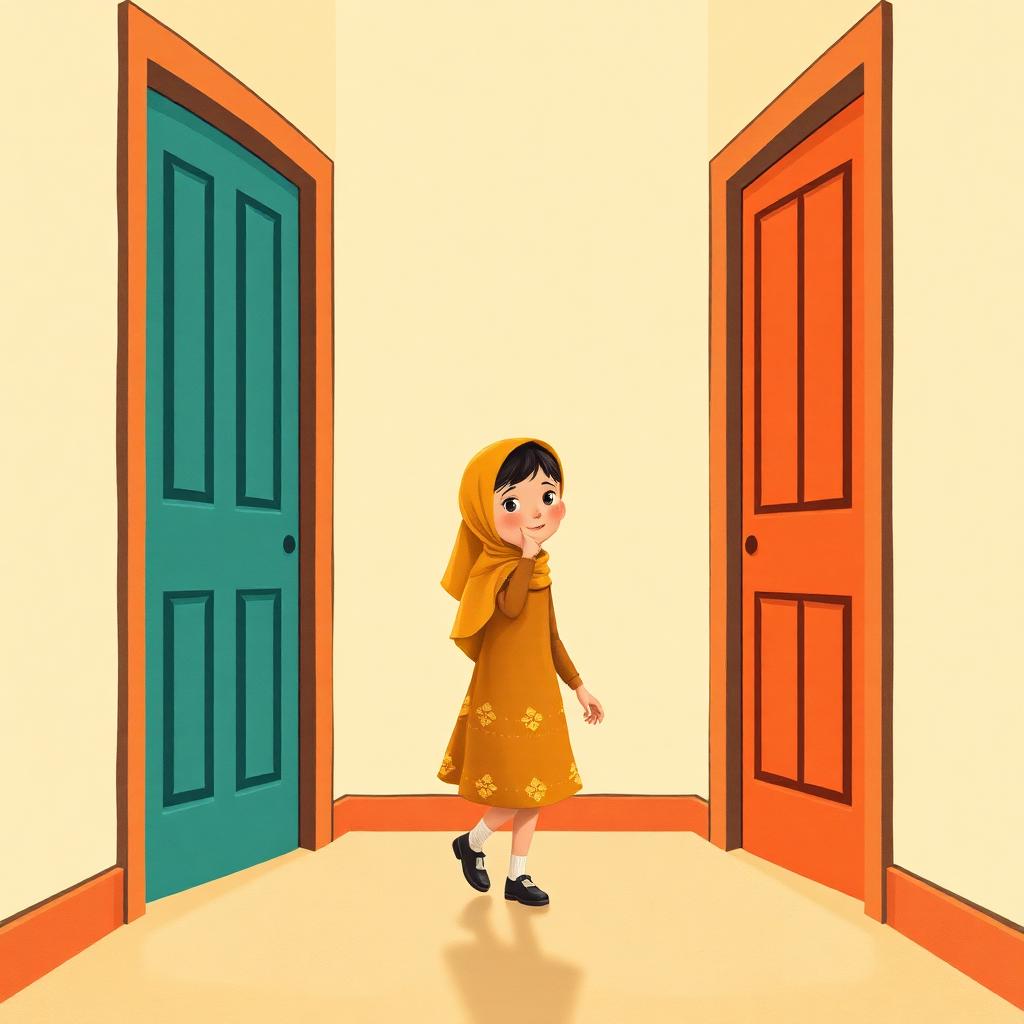
Khadija joined the Saturday group.
She kept her Thursday.
Everything was not easy after that, because that is not how life works.
But here is what she noticed, over the years, again and again and again:
The door did not close.
She had asked Allah to shut it if it was wrong. She had meant it. And He did not shut it — He simply, quietly, moved it to a Saturday.
He had a second group waiting before she ever prayed.
Before she ever prayed.
He was already writing the ending while she was still frightened of the beginning.
And this is what Allah says about that little nine-year-old brain of hers, and everyone's:
وَعَسَىٰ أَن تَكْرَهُوا شَيْئًا وَهُوَ خَيْرٌ لَّكُمْ ۖ وَعَسَىٰ أَن تُحِبُّوا شَيْئًا وَهُوَ شَرٌّ لَّكُمْ ۗ وَاللَّهُ يَعْلَمُ وَأَنتُمْ لَا تَعْلَمُونَ
“Perhaps you hate a thing and it is good for you; and perhaps you love a thing and it is bad for you. Allah knows, and you do not know.”
— Surah Al-Baqarah (2:216)
Allah knows, and you do not.
That is not an insult.
That is the best news you will ever hear.
Because it means you are not the one who has to be right. You are only the one who has to ask.
One day — maybe soon — a child will be stuck.
There will be two paths, and they will both look good, and everybody who loves them will tell them something different, and every single one of them will be sure.
And at the bottom of it, at night, when the house goes quiet, they will find the real question: what if I choose wrong?
Here is what to do.
Do not ask the loudest person.
Do not ask the cleverest person.
Go and wash, and pray two rakats, and say the truest sentence a human being can say:
"Ya Allah. I don't know. You do. Please choose for me — and please, make me happy with whatever You choose."
And then watch.
Not for lightning. Not for a dream.
For the settling.
And when it comes — and it will come — there will be no need for anybody to explain it again.
The Istikhara Card
Two rakats. Then your hands up. Then these words.
Ya Allah — I ask You to choose for me, by Your knowledge.
I ask You for strength, by Your power.
Because You know, and I do not know. You are able, and I am not able. You know everything that is hidden.
Ya Allah — if this thing is good for me, for my deen, for my life, and for my end — give it to me, make it easy, and put barakah in it.
And if it is bad for me — take it away from me, and take me away from it.
And give me the good, wherever it is.
And then, Ya Allah — make me happy with it.
Ameen.
Now go to sleep. And in the morning, do not look for lightning. Look for the settling.
Allahumma ij'al awladana min as-saliheen. Allahumma ihfadh-hum min kulli sharr.
O Allah, make our children among the righteous. O Allah, protect them from every harm. O Allah — make them people who bring their hardest decisions to You before they bring them to anybody else. And when You answer, give them the courage to move in the direction You settled them toward.
Ameen.
For young deciders to try
- 1
Notice the real question. Underneath "which one do I want" there is usually a scarier one: what if I choose wrong? Say the scary one out loud. It gets smaller the moment you do.
- 2
Count the voices. Everybody who loves you will be certain, and they will all say different things. That is not their fault. It just means the answer is not in the room.
- 3
Learn istikhara like a surah. Not for emergencies. For all matters — which club, which friend, which day. The Prophet ﷺ taught it like a surah, so learn it like one.
- 4
Ask yourself the hard question first. If Allah pointed the other way — would I actually go? If the honest answer is no, you are not asking. You are just hoping.
- 5
Do not wait for lightning. Wait for the settling. The quiet under the fear that is steadier than the fear. That is Him answering.