The Key in My Hand
a story about what to do when someone hurts you
by Rayda Edding
Bismillah ir-Rahman ir-Raheem.
بِسْمِ اللَّهِ الرَّحْمَٰنِ الرَّحِيمِ
The Thing Tariq Said
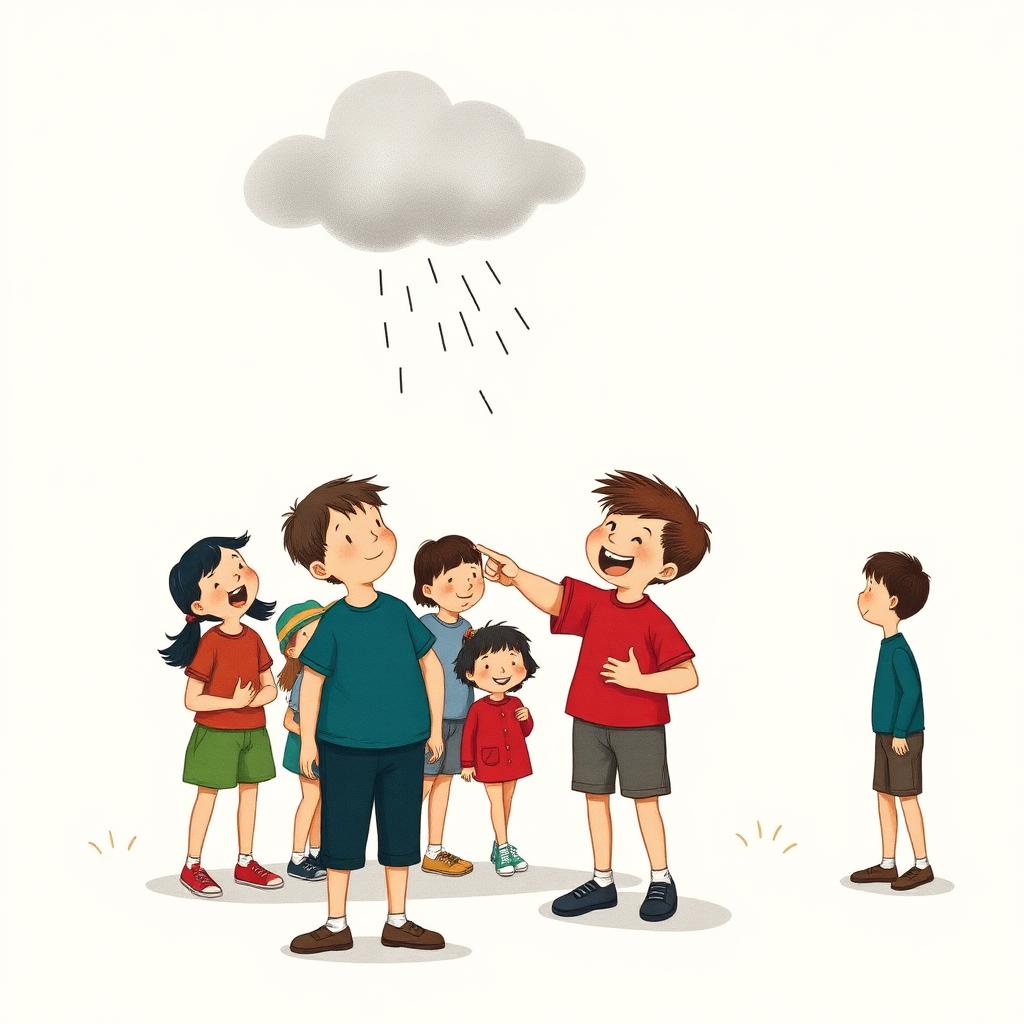
Musa was nine years old, and Tariq was his best friend.
Not a normal friend. The friend. The one who saved him a seat. The one who knew about the loose tooth before anyone. The one he told the big secret to — the private one, the one about his father — on a Tuesday, under the stairs, because that is what best friends are for.
On Thursday, in front of everybody, Tariq said the secret out loud.
And then he laughed.
And then — because laughing is contagious the way a cough is contagious — everybody else laughed too.
Something happened in Musa's chest at that moment that mattered more than anything else in this whole story.
A stranger can say something horrible to you and it bounces off, like a ball off a wall.
But Tariq was not a stranger.
Tariq had a key to the door Musa never even thought to lock.
So it did not bounce.
It went straight in.
The Words That Wanted Out
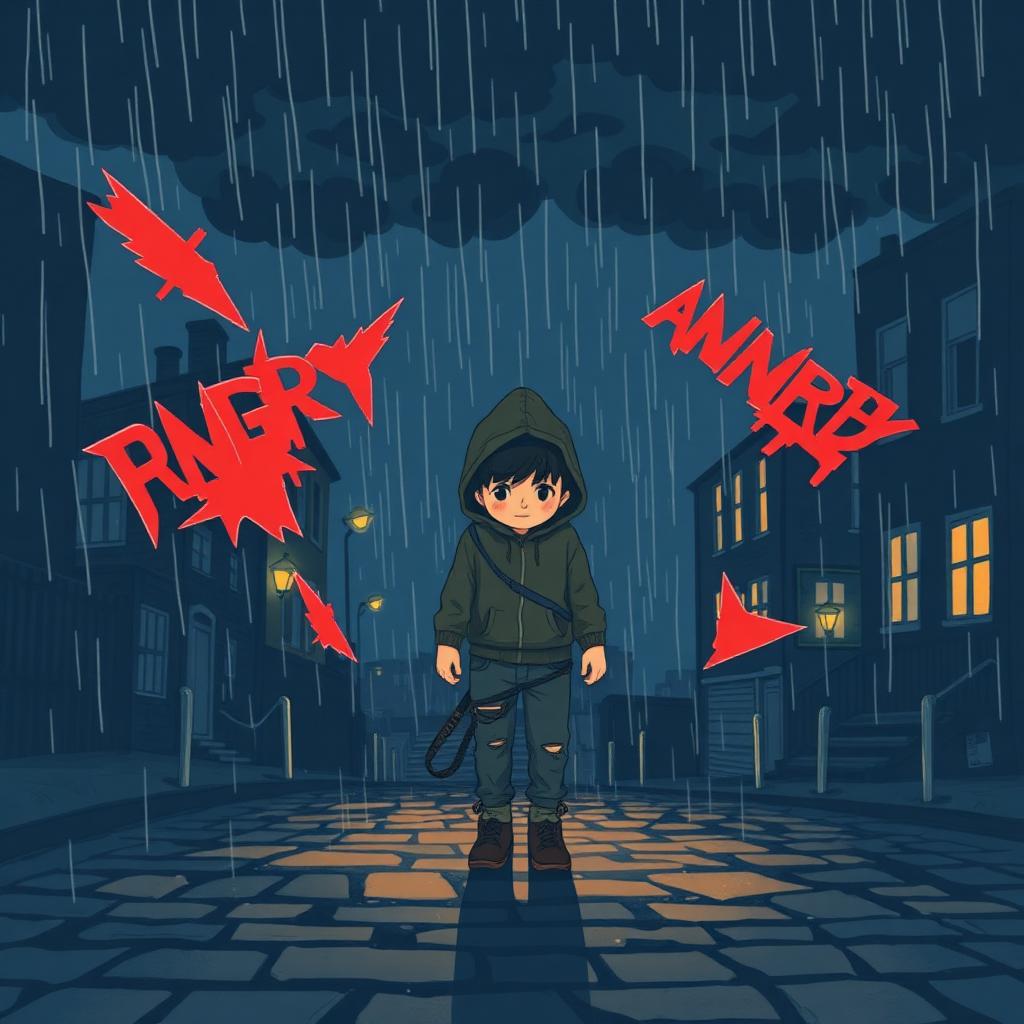
Musa did not cry at school. He saved that for the walk home, where nobody could see.
But something else was happening inside his chest, and it was hot, and it was fast, and it had words in it.
Oh, the words.
Musa had excellent words. He knew exactly what to say about Tariq's spelling, and Tariq's shoes, and the thing Tariq did in Year 3 that everybody had finally forgotten about.
He could feel them all lined up behind his teeth like soldiers at a gate, and every single one of them wanted OUT.
Tomorrow, he thought, and his fists went tight. Tomorrow I will say all of it.
He came in the front door with his face like a thundercloud, and his mother took one look at him and did not say what's wrong.
She said: "Come and sit down. Something happened. Tell me all of it."
So he told her all of it.
And when he had finished, Musa said the thing that had been burning at the bottom of him the whole way home:
"Umi. I want him to be sorry. I want something bad to happen to him."
The Key in Your Hand
Now here is the strange part.
His mother did not tell him to calm down.
She did not say he's just a boy or he didn't mean it or never mind, habibi.
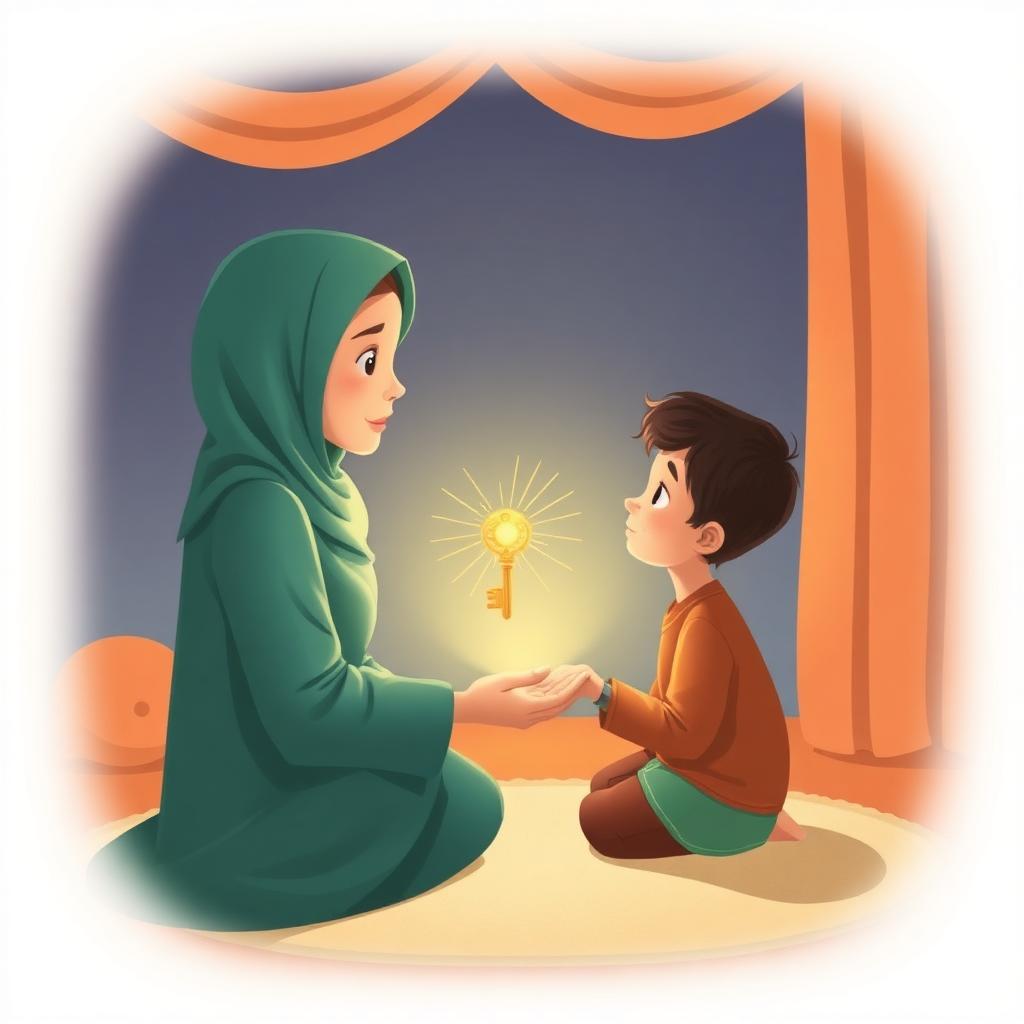
She said: "Musa. Do you know what is in your hand right now?"
He looked at his hand. There was nothing in his hand.
"Tonight," she said, "you were wronged. Somebody hurt you and you did not deserve it. And because of that — right now, tonight — Allah has put something in your hand that most people go their whole lives never noticing."
She leaned in close.
"Listen to what the Prophet ﷺ told us."
ثَلَاثُ دَعَوَاتٍ مُسْتَجَابَاتٌ لَا شَكَّ فِيهِنَّ: دَعْوَةُ الْمَظْلُومِ، وَدَعْوَةُ الْمُسَافِرِ، وَدَعْوَةُ الْوَالِدِ عَلَى وَلَدِهِ
“Three supplications are answered — there is no doubt about them: the supplication of the one who has been wronged, the supplication of the traveller, and the supplication of the parent for his child.”
— Sunan At-Tirmidhi
"Do you hear it, Musa? Not might be answered. Not perhaps. Answered. No doubt about it."
Musa's mouth opened a little.
"Tonight you are the one who was wronged. Which means tonight, out of all the nights of your life, Allah is listening to your du'a in a special way. It is a key, habibi. A real one. And He has put it in your hand."
Musa looked at his hand again.
It did not look empty anymore.
The Terrible Mercy
And then, of course, Musa said what every single one of us would say.
His eyes went wide, and something wolfish flashed across his face.
"So… I could ask Allah to make something bad happen to Tariq?"
And here his mother went very quiet.
"Yes," she said. "You could."
Musa blinked. That was not the answer he expected.
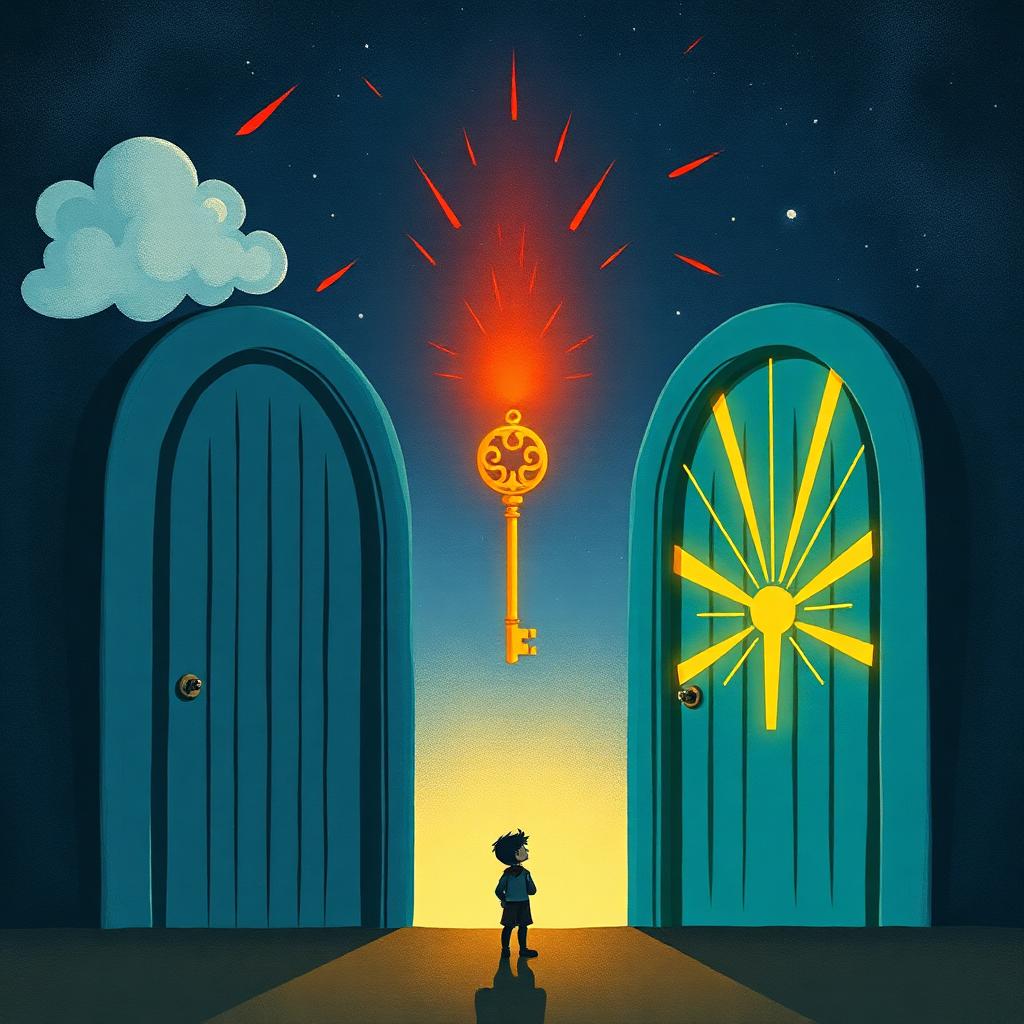
"That is exactly what I am telling you, my love. The key opens the door either way. If you use it tonight to ask Allah for something terrible for Tariq…"
She let the silence sit there for a long, heavy moment.
"…He hears that one too."
The hot thing in Musa's chest went suddenly cold.
It is a frightening amount of power to hand a hurt person. And Allah, in His wisdom, hands it to us anyway — on the exact night we are angriest, when our hands are shaking.
"So," said his mother softly, "here is the only question that matters tonight, Musa.
You have been given one arrow that will not miss.
What are you going to spend it on?"
The Best Du'a in the Worst Hour
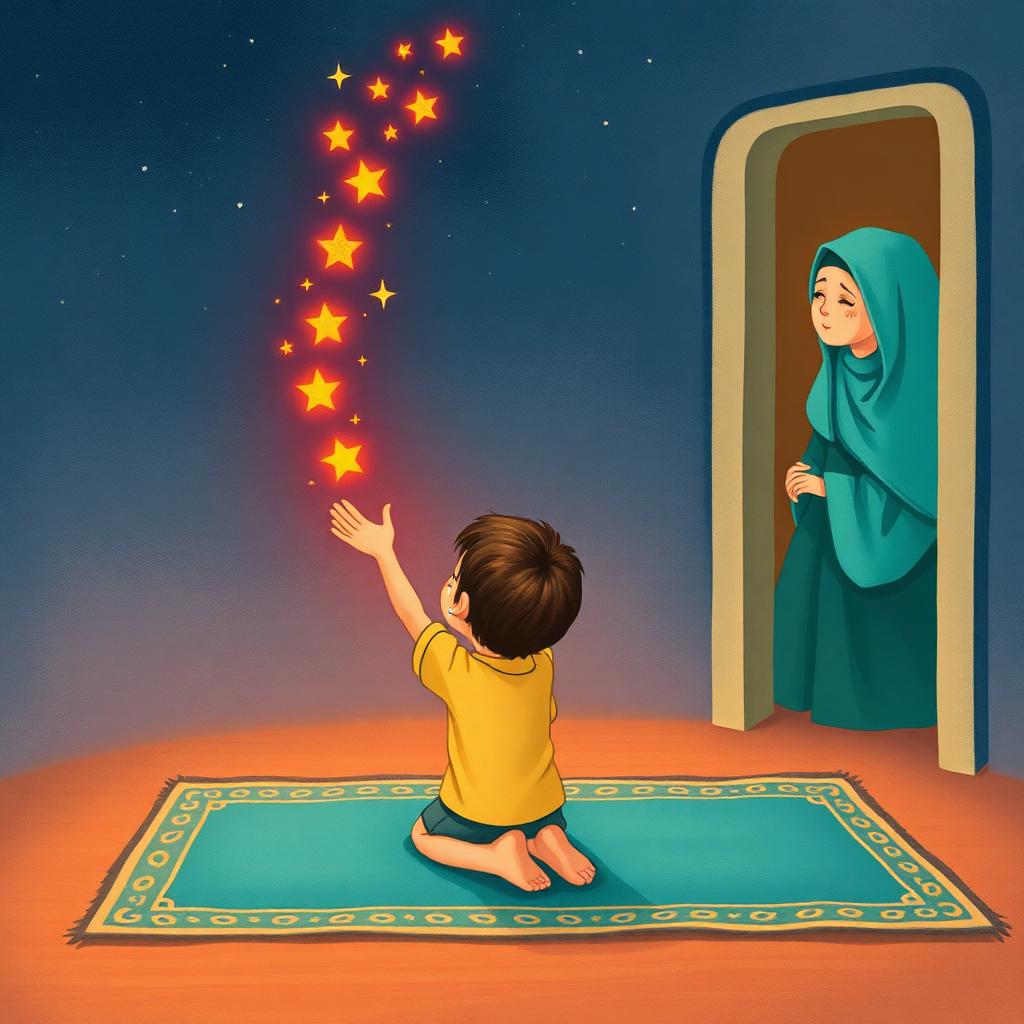
"Musa," she said. "I want you to do something very hard. Harder than fighting him. Harder than shouting.
Tonight — right now, while it still hurts, while your face is still hot —
I want you to make the best du'a you have ever made in your life.
For Tariq."
Musa stared at her like she had grown a second head.
"For TARIQ?!"
"For Tariq."
"But he — Umi, he — I don't feel like it!"
And his mother smiled the saddest, kindest smile.
"I know. That is exactly the point, habibi. Anyone can pray nicely for someone they are happy with. That is easy. That costs nothing.
But waiting until you feel like it? That is a trick. Shaytan whispers later, later, when you've calmed down, when he says sorry, when he deserves it — and do you know what happens? The anger goes away by itself in a few days… and the du'a never gets made at all.
He talks you out of a treasure by telling you to use it later."
She took his hands.
"Do not wait, Musa. Never trade something that lasts forever for something that will be gone by Friday."
So Musa closed his eyes.
And through his teeth — through his teeth — he said:
"Ya Allah… give Tariq… something good."
"Better," said his mother. "Give him your best."
Musa took a long breath. And this time, from somewhere further down, it came out different.
"Ya Allah. Give Tariq the best of this life and the best of the next one. Give him a soft heart. Make him love the Quran. Give him good friends — better than me. Keep him on the straight path his whole life long, even after I am not there.
Ameen."
And then Musa did cry, finally.
But it was a different kind of crying.
It was the kind that leaves you lighter.
What Happened to the Anger

Now I will tell you exactly what happened next, because it is not what you think.
Tariq did not appear at the door with flowers. There was no lightning. Nothing exploded.
What happened was much quieter than that.
The anger left.
Not that night — but by Sunday, Musa noticed it had packed its bags and gone, and he had not even watched it leave. It turned out the anger was a visitor, not a resident.
And here is the thing Musa understood years later, when he was tall:
If he had spent that key on his anger, the anger would still have left by Sunday — and he would have spent the most powerful prayer of his life on a mood that lasted three days.
Instead, somewhere out beyond the sky, a du'a for a boy named Tariq had gone up to Allah —
and it never came back down.
It is still up there. Still working. In a place Musa cannot see, in a future he will never fully watch.
That is the trade.
A hurt that lasts three days, for a good that lasts forever.
It is the best bargain anybody ever made.
The Arrow That Outlives You
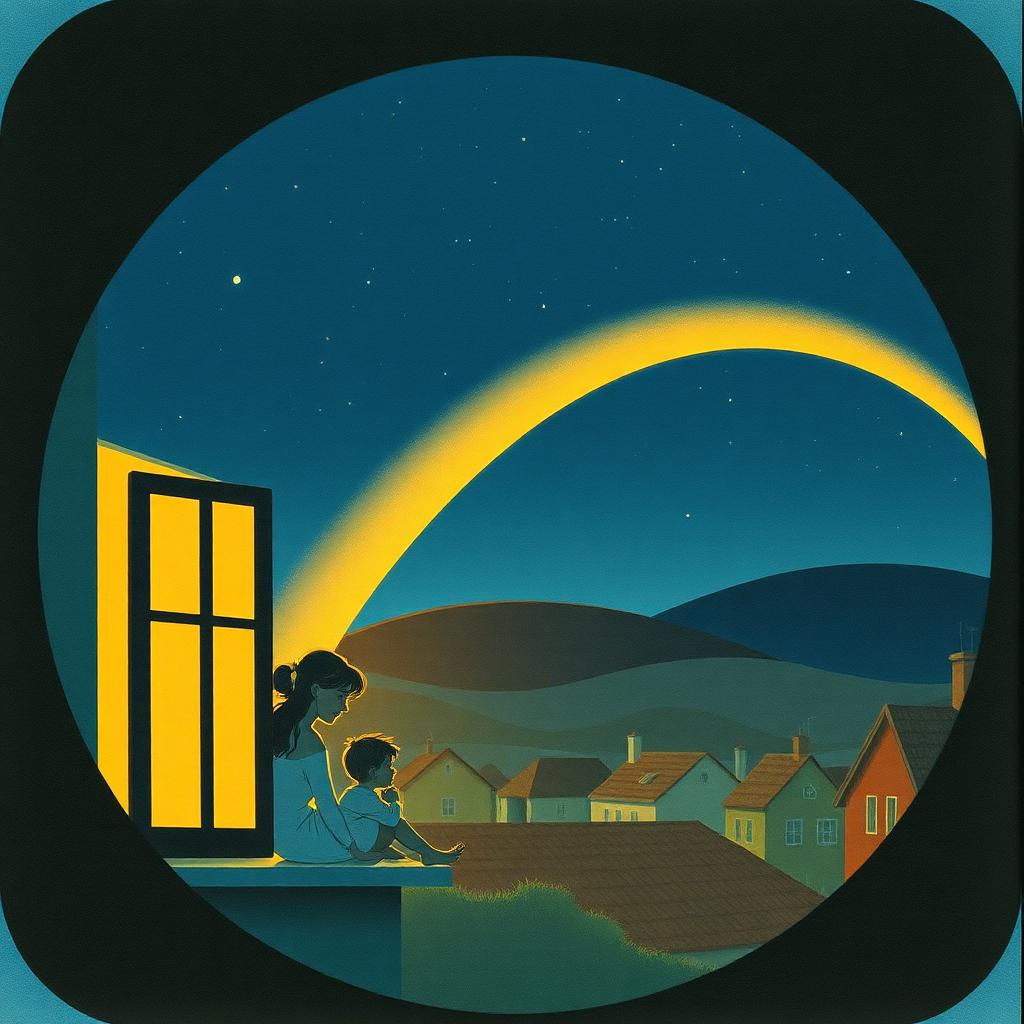
"Umi," Musa asked, much later. "What if my du'a doesn't reach him? What if he's far away one day? What if I'm not even… you know. Here."
His mother looked out of the window for a while.
"Musa, my arms are short," she said. "I cannot reach around the whole world. And my years are counted — one day I will not be here to protect anybody.
But my du'a?
My du'a goes where I cannot go. It works on days I am not awake. It arrives in years I will not live to see. It walks straight past every door that is locked to me."
وَمَن يَتَوَكَّلْ عَلَى اللَّهِ فَهُوَ حَسْبُهُ
“And whoever relies upon Allah — then He is sufficient for him. · Is not Allah sufficient for His servant?”
— Surah At-Talaq (65:3) · Surah Az-Zumar (39:36)
"He is enough, Musa. He is enough in every place I cannot reach, for every danger I cannot see, in every year I will not live through.
That is why I do not waste my du'as.
They are the only part of me that outlives me."
The Night You Hurt Me
Now comes the last part of the story.
Because Musa asked one more question. A small one. He almost did not ask it at all.
"Umi… how do you know all this?"
And his mother was quiet for such a long time that he thought maybe she had not heard.
Then she said:
"Do you remember the night you slammed your door? And you said that thing to me — you remember which one."
Musa's whole face went hot. He remembered. Of course he remembered. It lived in a small locked box at the back of his chest, and he had never once taken it out and looked at it.
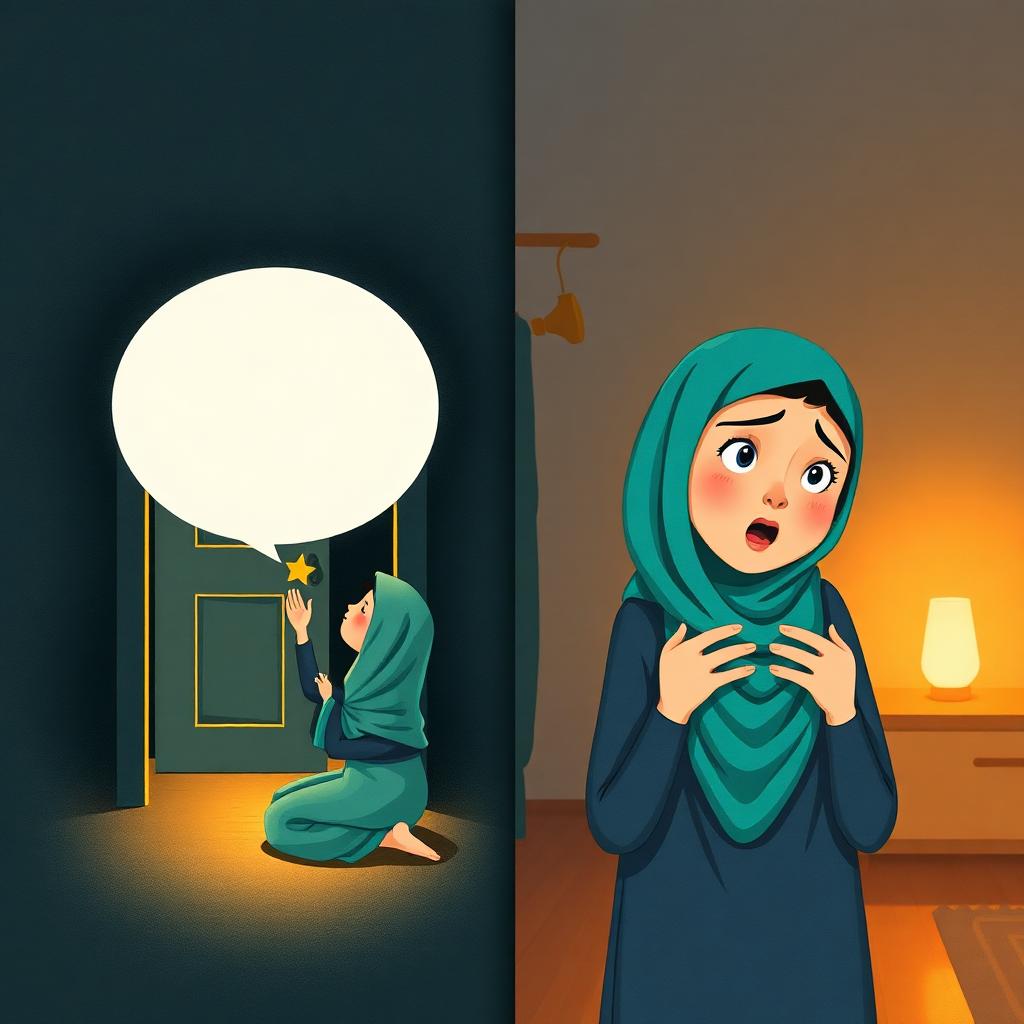
"I sat in the dark that night, habibi," his mother said. "And I cried. You are allowed to know that.
And then I lifted my hands.
And I made the best du'a I have ever made in my whole life —
for you.
I asked Allah to give you the best of this world and the best of the next. I asked Him for a wife who will love you with a whole heart, on your best days and your worst. I asked for money for you that is pure, and — much more than the money — I asked that you spend it in a way that saves you.
I asked Him to keep your heart soft. To keep your faith lit. To keep your feet on the straight path long, long after I am gone and cannot pray for you anymore."
She looked at him.
"On the night you hurt me most, Musa, I made you my best du'a. And I have never regretted it. Not once."
And Musa — who was nine years old, and who had excellent words, hundreds of them, lined up behind his teeth —
could not find a single one.
Here is the whole story in four lines:
Somebody will hurt you. Maybe they already have.
When they do, Allah will put a key in your shaking hand.
Do not spend it on your anger. Your anger is leaving on Sunday.
Spend it on their good — and it will still be working when you are gone.
A du'a to make for someone who hurt you
Say it out loud, even if you do not feel it. Especially if you do not feel it.
Ya Allah — give them the best of this life, and the best of the next.
Ya Allah — keep their heart soft.
Ya Allah — make them love the Quran.
Ya Allah — give them good people who will love them well.
Ya Allah — give them what is pure, and the wisdom to use it well.
Ya Allah — keep their feet on the straight path, long after I am gone.
Ameen.
Allahumma ij'al awladana min as-saliheen. Allahumma ihfadh-hum min kulli sharr. Allahumma-rzuqhum hubb al-Quran wa hubb an-Nabi ﷺ.
O Allah, make our children among the righteous. O Allah, protect them from every harm. O Allah, grant them love for the Quran and love for the Prophet ﷺ.
And O Allah — when we are hurt, guard our tongues, and let us spend every answered prayer on somebody's good.
Ameen.
For hurt hearts to try
- 1
Reach for the du'a before you reach for the word. The second the anger stands up — lift your hands instead of your voice. You are holding a prayer Allah has promised to answer. Guard it like treasure.
- 2
Do not wait until you feel like it. Make your best du'a in your worst hour. Later never comes — later is how a treasure gets lost.
- 3
Ask what your anger costs. It will be gone by Sunday. Your du'a will still be working in thirty years. Never trade the forever thing for the Sunday thing.
- 4
Tell them one day. When the calm comes, tell the person: on the night you hurt me, I asked Allah to give you everything good. There is no stronger love than that, made visible.