The Song I Never Chose
a story about what comes out when you are not looking
by Rayda Edding
Bismillah ir-Rahman ir-Raheem.
بِسْمِ اللَّهِ الرَّحْمَٰنِ الرَّحِيمِ
Based on a true story. It began with a boy humming.
The Humming
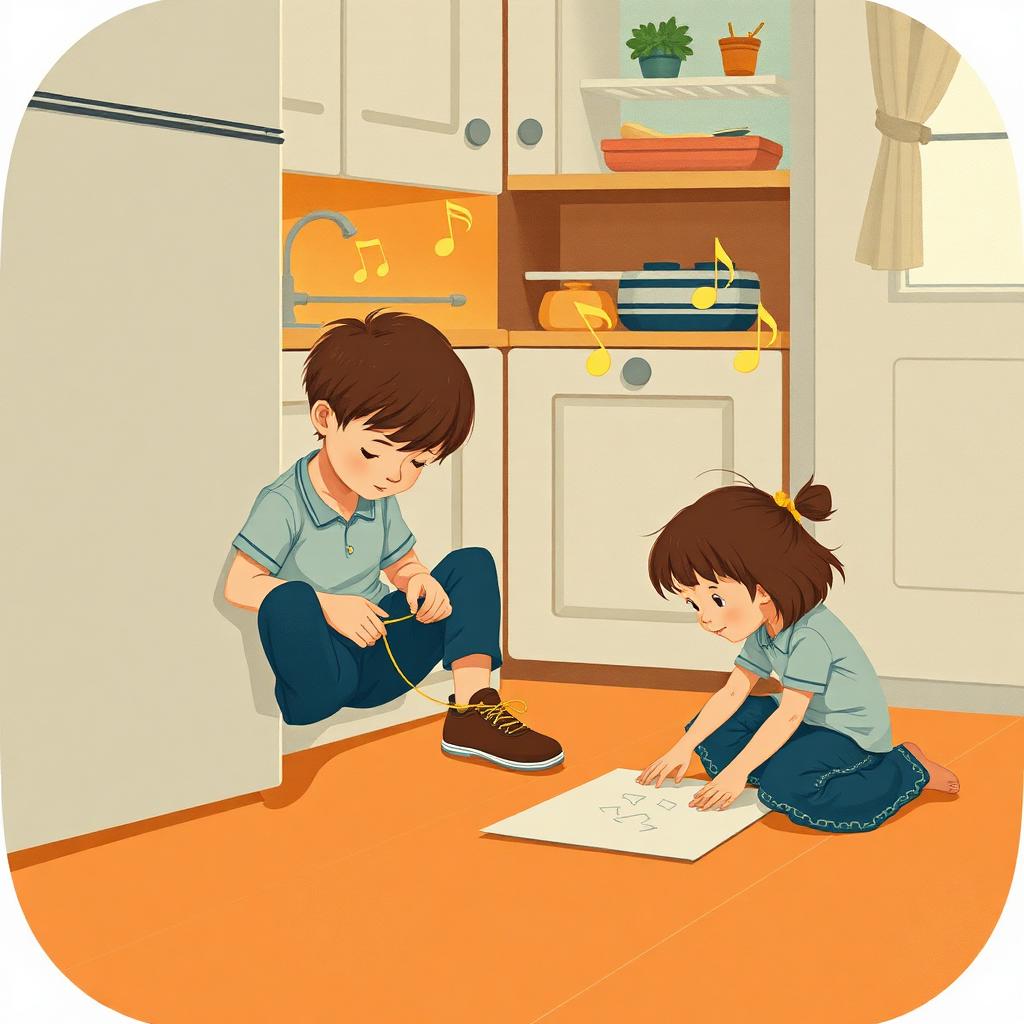
Sulayman was nine years old, and he was doing absolutely nothing wrong.
He was doing nothing wrong.
He was sitting on the kitchen floor with his back against the cupboard, tying his shoelace, thinking about absolutely nothing at all.
And he was humming.
His little sister looked up from her drawing.
"Sulayman. What's that song?"
He kept humming.
"Sulayman."
He stopped. "What?"
"What's that song you're singing?"
And Sulayman opened his mouth to answer her —
and found that he could not.
Because he did not know.
Where Did You Come From?
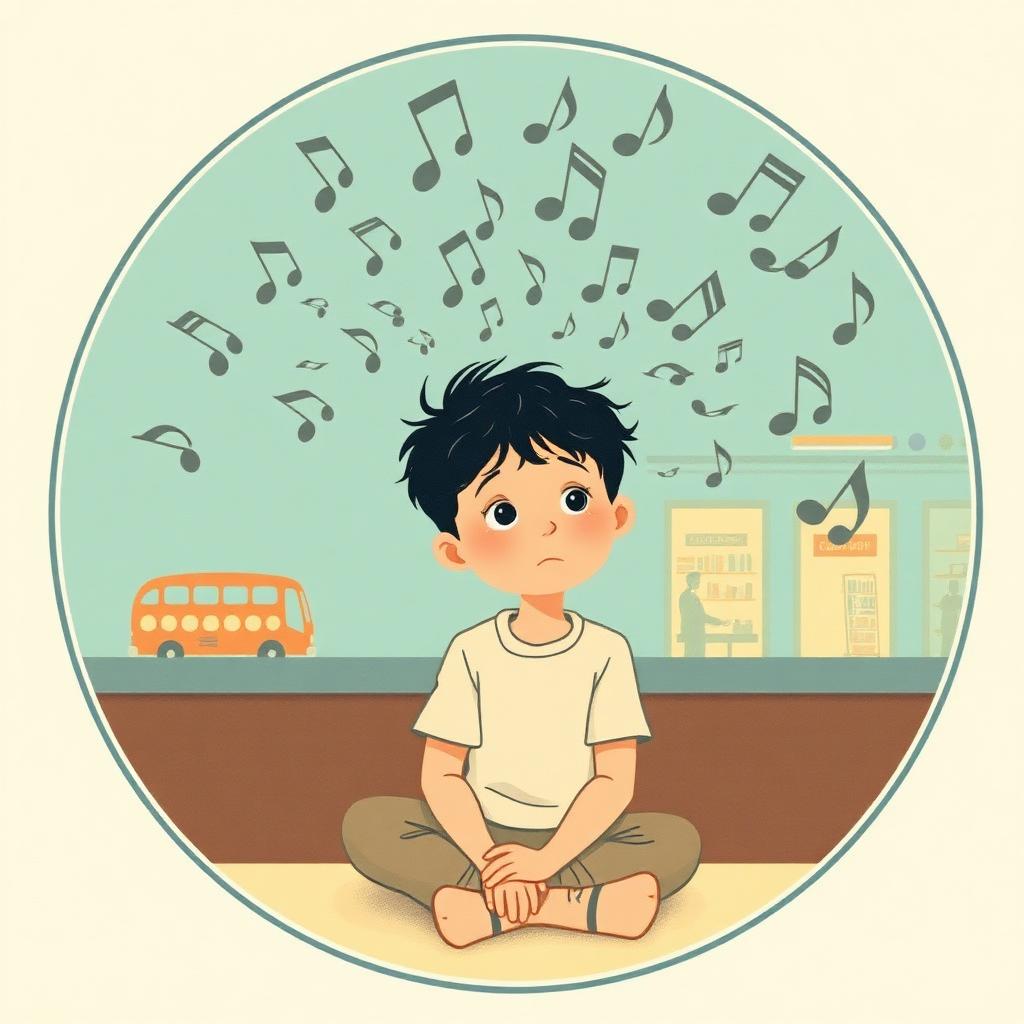
He sat there with one shoelace in his hand and a very strange feeling crawling up the back of his neck.
What song was I singing?
He tried it again, quietly. Hm-hm, hmm, hm-hmmm.
And then he knew — sort of. It was the one. The one from everywhere. The one from the corridor at school, and the shop, and the bus, and the thing the big boys played on the phone at lunch, and the advert before the video, and the twenty other places it had been waiting for him.
But here is what stopped Sulayman's heart for a second:
He had never decided to learn it.
He had never sat down. He had never practised. Nobody had said Sulayman, here is a song, please memorise it.
It had just… climbed in.
While he was doing something else. While he was thinking about football and lunch and whether Friday was tomorrow. It had climbed in through his ears and made itself a little home somewhere behind his ribs, and it had unpacked — and he never even felt it arrive.
And now, tonight, sitting on the kitchen floor —
it came out of him.
Without asking.
The Cup
His mother had been listening from the doorway. Mothers always are.
She did not say stop that.
She did not say that's haram.
She came in, and she took a glass from the cupboard, and she put it on the floor in front of him.
"Sulayman. Watch."
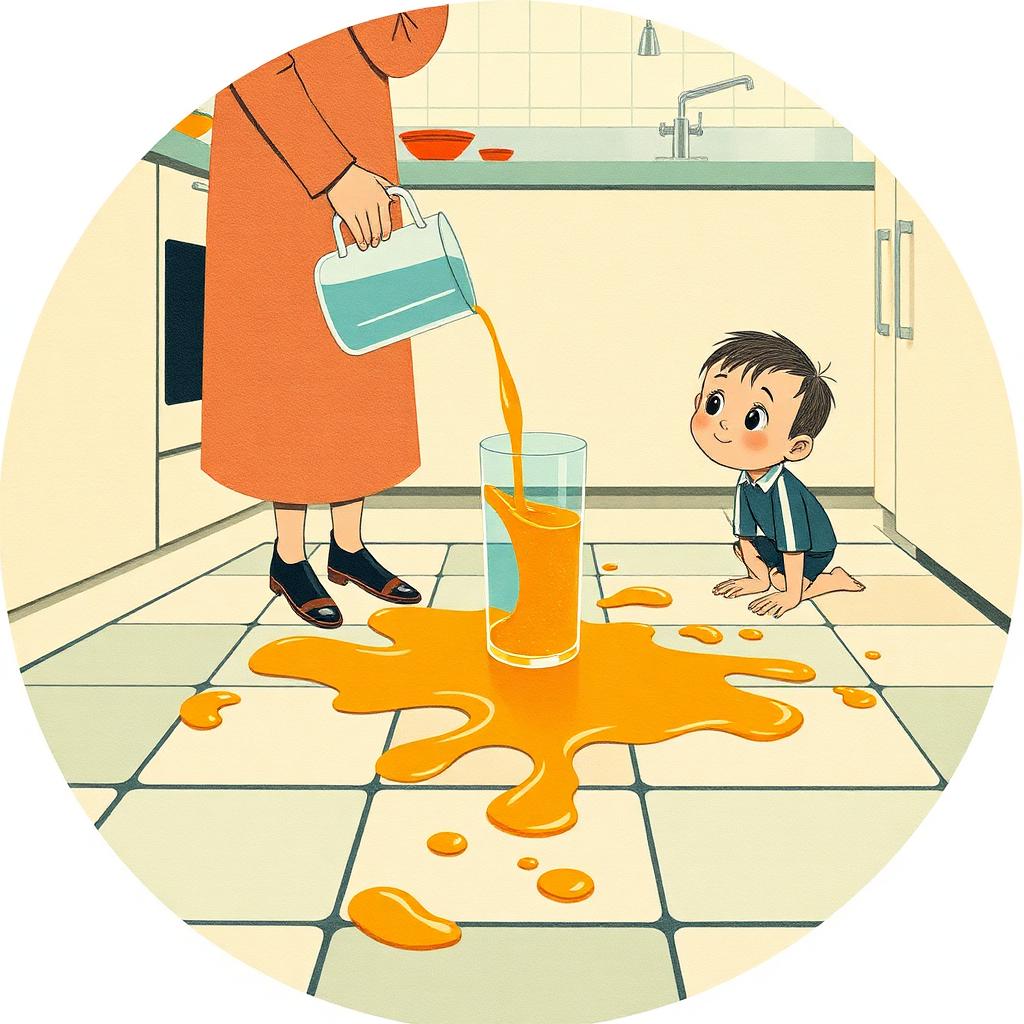
She filled the glass with water. Right to the very top. So full it was trembling.
Then she picked up the juice.
"Now," she said, "I would like some juice in this glass."
And she poured.
And of course — of course — the juice went everywhere. Over the top, across the floor, under the fridge.
"Mama! It won't fit! It's already full!"
And his mother looked at him with the quietest smile.
"Yes, habibi.
That is exactly the problem."
Allah Did Not Give You Two

She sat down on the floor beside him, in the puddle, because that is the sort of mother she was.
"Sulayman. How many hearts do you have?"
"…One?"
"How many did Allah give you?"
"One!"
"Are you sure? Because a lot of very clever people are trying to live as though they were given two — one for Allah, and a spare one for everything else. Listen to what Allah says:"
مَّا جَعَلَ اللَّهُ لِرَجُلٍ مِّن قَلْبَيْنِ فِي جَوْفِهِ
“Allah has not made for a man two hearts inside him.”
— Surah Al-Ahzab (33:4)
"One heart, habibi. One glass. One room.
And whatever you pour in the most… is what is going to come out when somebody bumps you."
Sulayman looked at the puddle of juice.
"So the song…"
"The song is not the problem, my love. The song is the receipt."
"The what?"
"The receipt. The little piece of paper that tells you what you have been buying." She tapped his chest, very gently. "You did not choose that song, Sulayman. You are right about that. But something has been pouring, every single day, for a long time — and you were not watching the glass."
The Test

"So then how do I know what's in there?" said Sulayman, and his voice had gone small. "If I can't even feel it going in?"
"Ah," said his mother. "There is a test. And it is a very easy one, and it is completely honest, and you cannot cheat it."
She leaned in.
"What comes out of you when you are not looking?"
Sulayman went quiet.
"Not what you say is in your heart. Not what you tell people. Not what you promise at the dinner table, or write in an exam.
What hums out of you at 4pm on a Tuesday when you are tying your shoelace and thinking about nothing at all.
That is what is in the glass, habibi.
That is the truest thing about you."
The Thing That Broke His Heart a Little
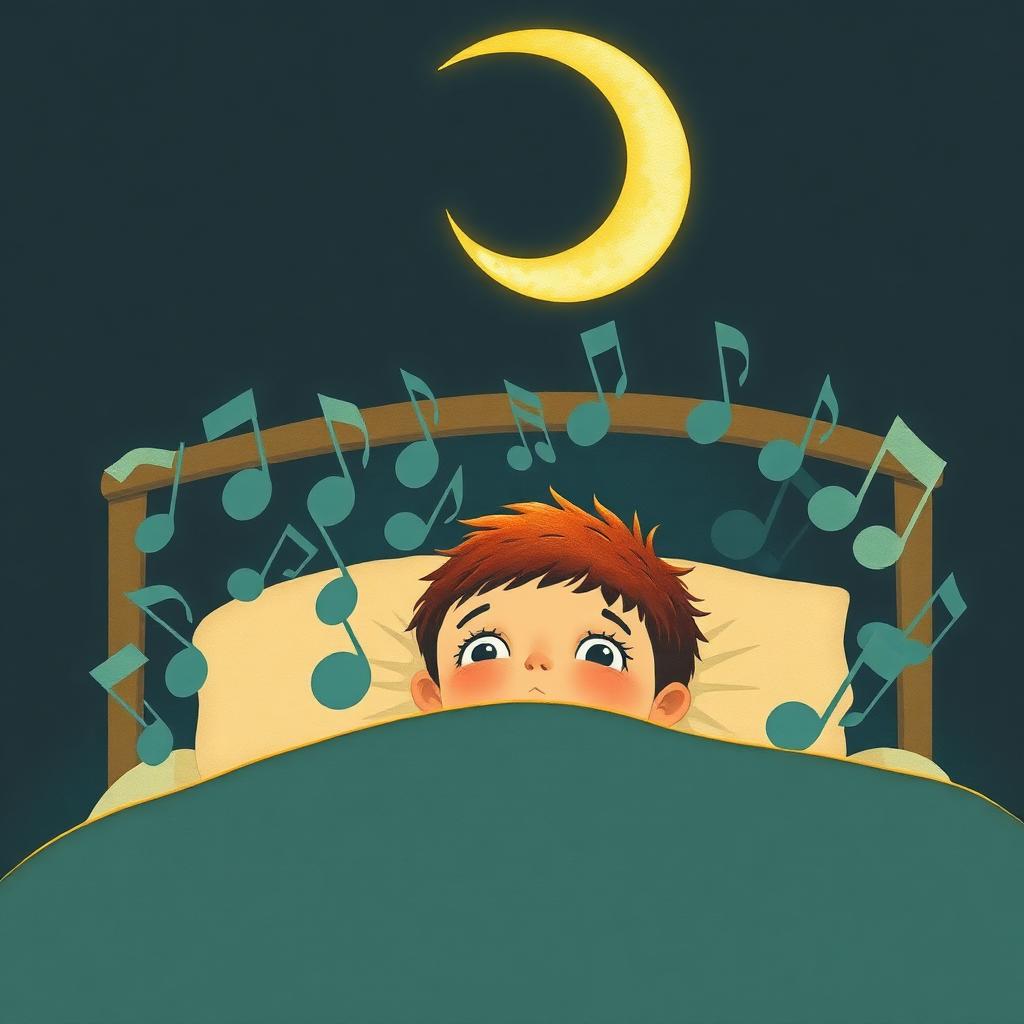
That night, Sulayman lay in bed and did something he had never done before.
He decided to check.
He closed his eyes, and he tried to bring up Surah Ad-Duha — the one he had learned two years ago, the one he loved, the one that used to live right at the front of him where he could always reach it.
"Wad-duha… wal-layli idha saja…"
He got the first line.
Then he stopped.
He reached for the second line and — the song came instead.
The song came first. All by itself. Bright and fast and easy, exactly where the ayah used to be.
Sulayman lay in the dark with his eyes wide open.
And he understood something that a lot of grown men never understand at all:
Nothing had been stolen from him.
Nobody had come in and taken his surah away. Nobody had banned it. Nobody had told him to stop.
Something had just been poured in on top of it, a little every day, for years —
and quietly, without any noise at all, without one single dramatic moment —
it had pushed his surah to the back of the shelf.
You Cannot Scold a Cup Empty
He told his mother in the morning, and he thought she would be angry, or sad, or disappointed.
She was delighted.
"Sulayman! Do you know how old most people are before they notice that? Some of them never notice at all. You noticed at nine."
"But Mama — how do I get it out? Do I have to stop singing? Do I block my ears? Do I —"
"No, habibi. Listen to me, because this is the whole thing."
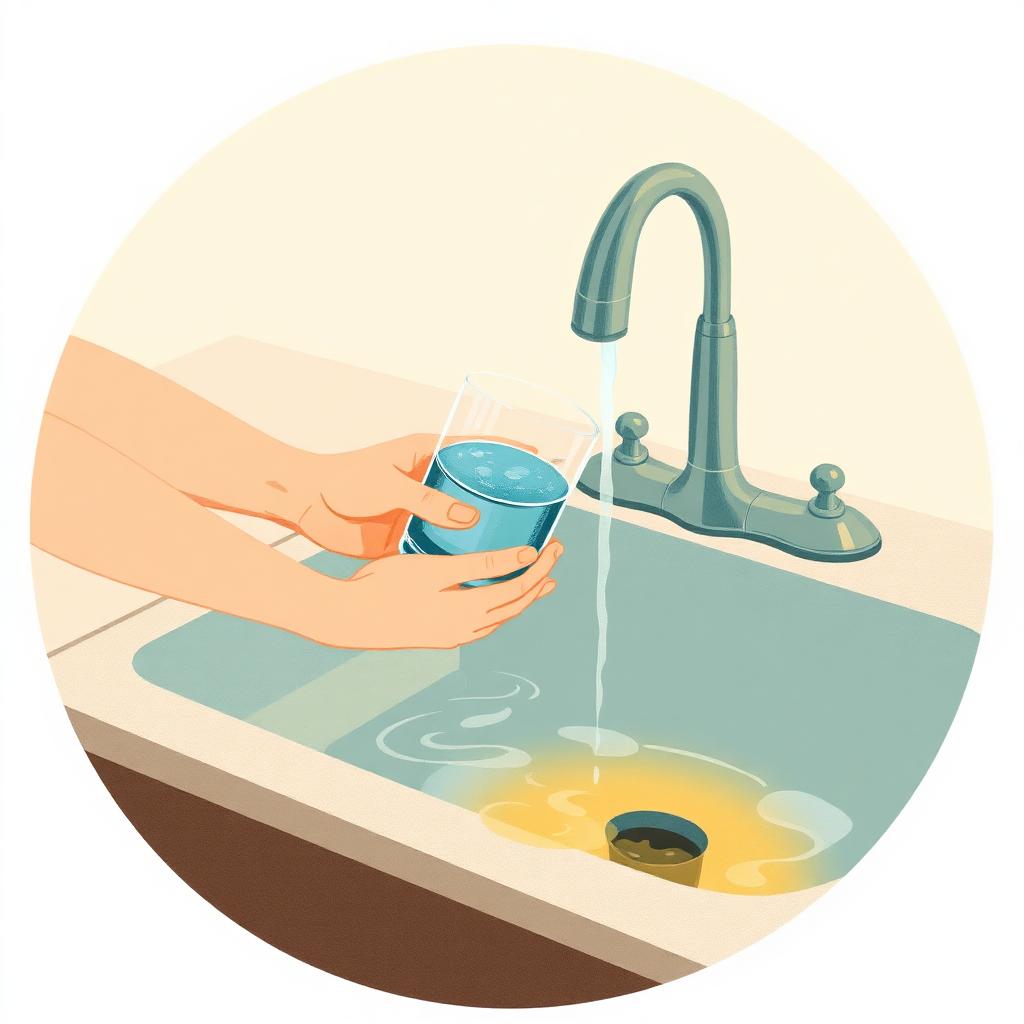
She picked up the glass again — still full of water — and she carried it to the sink.
"You cannot empty a cup by shouting at it."
And she turned on the tap. And she let the water run and run and run into the full glass — and the old water tipped over the edge and swirled down the drain, and the new water took its place, and she never touched the glass once.
"You do not fight what is in there, Sulayman. You out-pour it.
You pour in something better. Every day. Quietly. Relentlessly. And the other thing goes out over the top all by itself, and one day you look down and the glass is full of what you actually chose."
She turned off the tap.
"That is why the Quran is the first sound in this house in the morning. That is why it is the last sound at night. Not to make you good. To keep the tap running."
The Perfume Seller
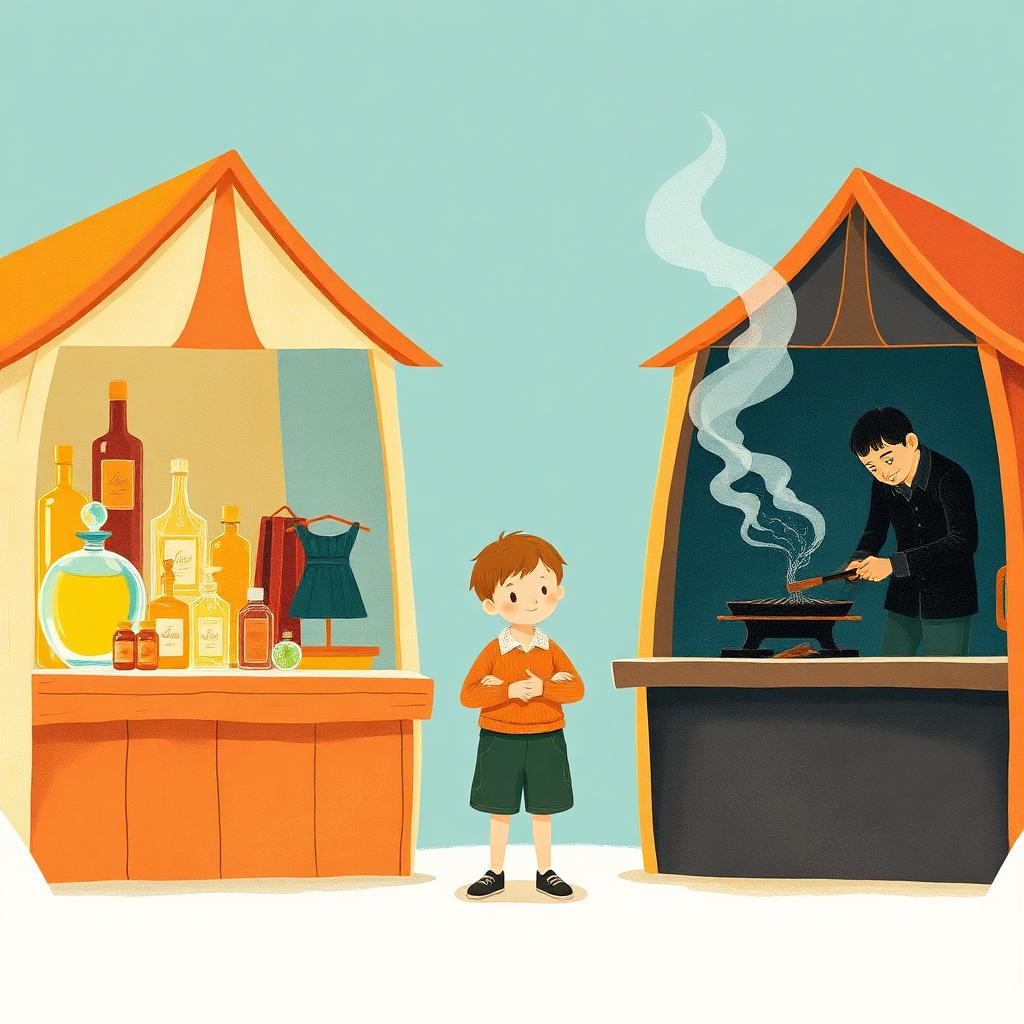
"And one more thing," said his mother, "because it is not only the ears. It is the company.
Listen to what the Prophet ﷺ said —"
“The example of a good companion and a bad companion is like that of the seller of musk and the blacksmith's bellows. From the seller of musk, you will either buy some, or enjoy its fragrance. And from the blacksmith's bellows, you will either burn your clothes, or find a bad smell.”
— Sahih al-Bukhari; Sahih Muslim
"Do you see how gentle that is, Sulayman? He ﷺ did not say the perfume seller teaches you. He did not say you have to buy anything, or take a lesson, or sit an exam.
He said you will smell like him anyway.
Just from standing there.
That is how a song gets in. That is how everything gets in. Not by a decision. By standing near it, over and over, until you smell like it and you did not even notice you had changed."
Sulayman thought about the corridor at school. About the bus. About the twenty places the song had been waiting for him.
"So… I should choose where I stand?"
His mother's eyes went bright.
"Habibi," she said. "That might be the smartest sentence anybody has said in this kitchen all year."
The Sound He Made Without Deciding
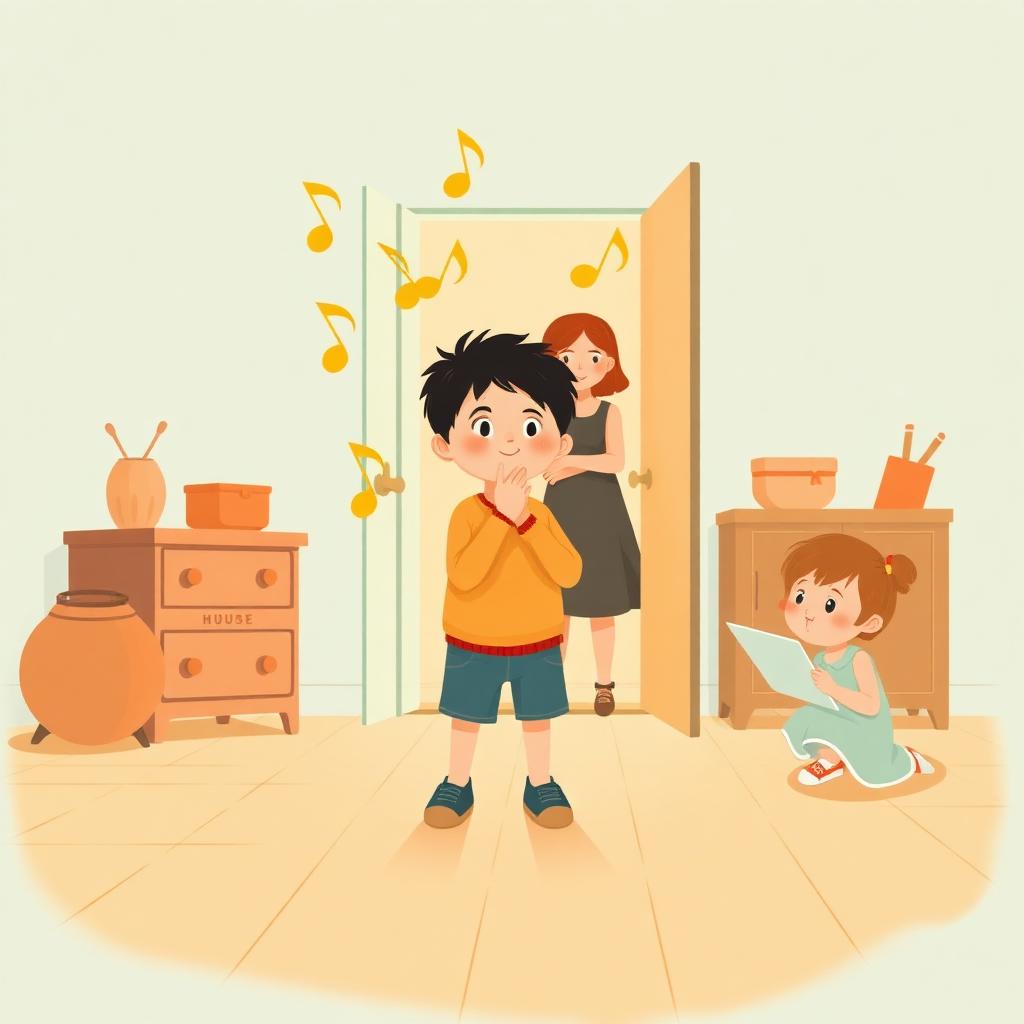
Months later, on an ordinary afternoon, nothing special had happened. Sulayman was on the kitchen floor again, tying the same eternal shoelace, thinking about absolutely nothing at all.
And he was humming.
And his little sister looked up from her drawing and said:
"Sulayman. What's that?"
And he opened his mouth to say I don't know —
and then he heard himself.
And it was not the song.
It was Ad-Duha.
Coming out of him. All by itself. Without a single decision. On a Tuesday. While he was thinking about nothing.
Sulayman sat completely still on the kitchen floor with one shoelace in his hand, and his eyes stung, and he did not really understand why.
His mother, in the doorway — because mothers always are —
did not say a word.
She just put her hand over her mouth.
Because you can tell a child a thousand times to love the Quran.
But the day it starts coming out of him when nobody asked — the day it beats the song to the door —
that is not obedience anymore.
That is who he is.
أَلَا بِذِكْرِ اللَّهِ تَطْمَئِنُّ الْقُلُوبُ
“Verily, in the remembrance of Allah do hearts find rest.”
— Surah Ar-Ra'd (13:28)
Every heart has one glass. Only one. Allah did not give a spare.
Something is pouring into it every single day. The bus. The corridor. The screen. The people we stand near.
Nobody is in trouble for that. Sulayman did not choose the song, and neither does any child.
But every one of us is the one holding the tap.
So the only question that matters — and it is not what do you believe?, because anybody can answer that one — is this:
What comes out of you when you are not looking?
And then — gently, quietly, every day, for years — you start pouring.
Check Your Glass
A little test you can do tonight, in the dark, with nobody watching.
- 1
Stop. What have you been humming today? Really — what was it?
- 2
Ask: did I choose that? Almost always: no. It climbed in. Don't feel ashamed — feel awake.
- 3
Now reach for an ayah you love. Which one arrived first — the ayah, or the song?
- 4
Whatever came first — that is what is in the glass.
- 5
Don't scold the glass. Turn on the tap. Quran in the morning. Quran at night. Every day. Do not stop.
And one day, on an ordinary Tuesday, you will catch yourself humming something beautiful — and you will not remember choosing it. That is the day it became yours.
Allahumma-rzuqna hubb al-Quran. Allahumma ij'al al-Qur'ana rabi'a qulubina.
O Allah, grant us love for the Quran. O Allah, make the Quran the spring of our hearts, and the light of our chests — and let it be the first thing that rises to our tongues when we are not looking.
Ameen.
For young glass-fillers to try
- 1
Catch yourself humming. Once today. Do not judge it — just notice it. You cannot fix a cup you have never looked into.
- 2
Do the honest test. Reach for a surah you love. See what arrives first. That answer is the truth, and the truth is a friend even when it stings.
- 3
Turn on the tap. Quran in the morning. Quran before sleep. Even one page. Even one ayah. The tap does not need to be loud — it needs to be on.
- 4
Choose where you stand. You will smell like whoever you stand beside. That is not a warning — it is a superpower, if you pick on purpose.
- 5
Be patient with the spilling. The old water leaves slowly, over the top, without any drama. You will not feel it go. One day you will simply notice it is gone.