Thirty Minutes Before Closing
a story about the door Allah opens
by Rayda Edding
Bismillah ir-Rahman ir-Raheem.
بِسْمِ اللَّهِ الرَّحْمَٰنِ الرَّحِيمِ
Based on a true story. It happened in 2015, in our own little restaurant.
The Best Falafel in the City
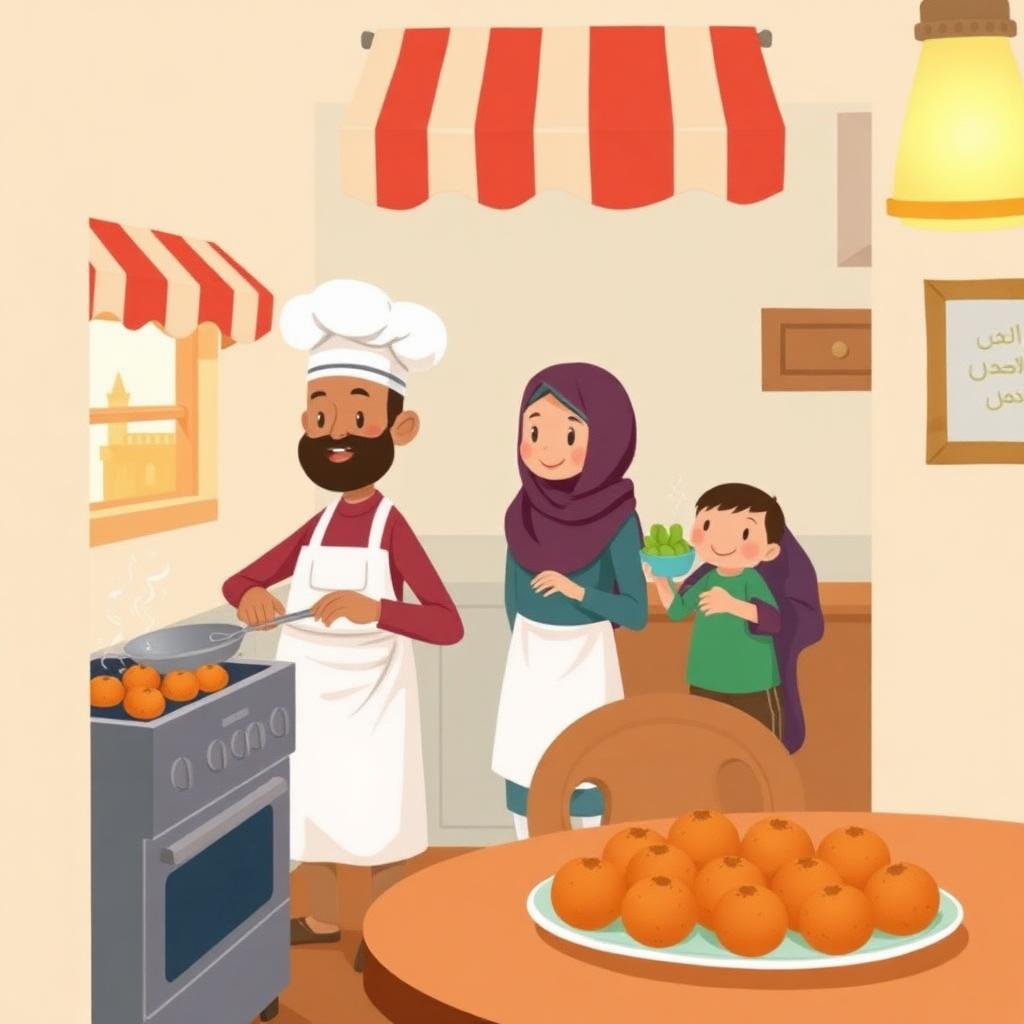
Adam was nine years old, and his family owned a restaurant.
It was small. It smelled of garlic and hot oil and mint. It had eleven tables, a wobbly one by the window that nobody was allowed to sit at, and — Adam will fight you about this — the best falafel in the entire city.
Baba had been getting up before the sun for fifteen years to make it.
Mama knew every regular customer's order before they opened their mouths.
And Adam had a job: he wiped the tables, he carried the little dishes of pickles, and on Fridays he was allowed — allowed! — to work the falafel scoop.
That restaurant was not a building.
It was their bread. It was fifteen years of early mornings. It was the thing that put the food on their own table at night.
Adam thought it would just… always be there.
The Letter
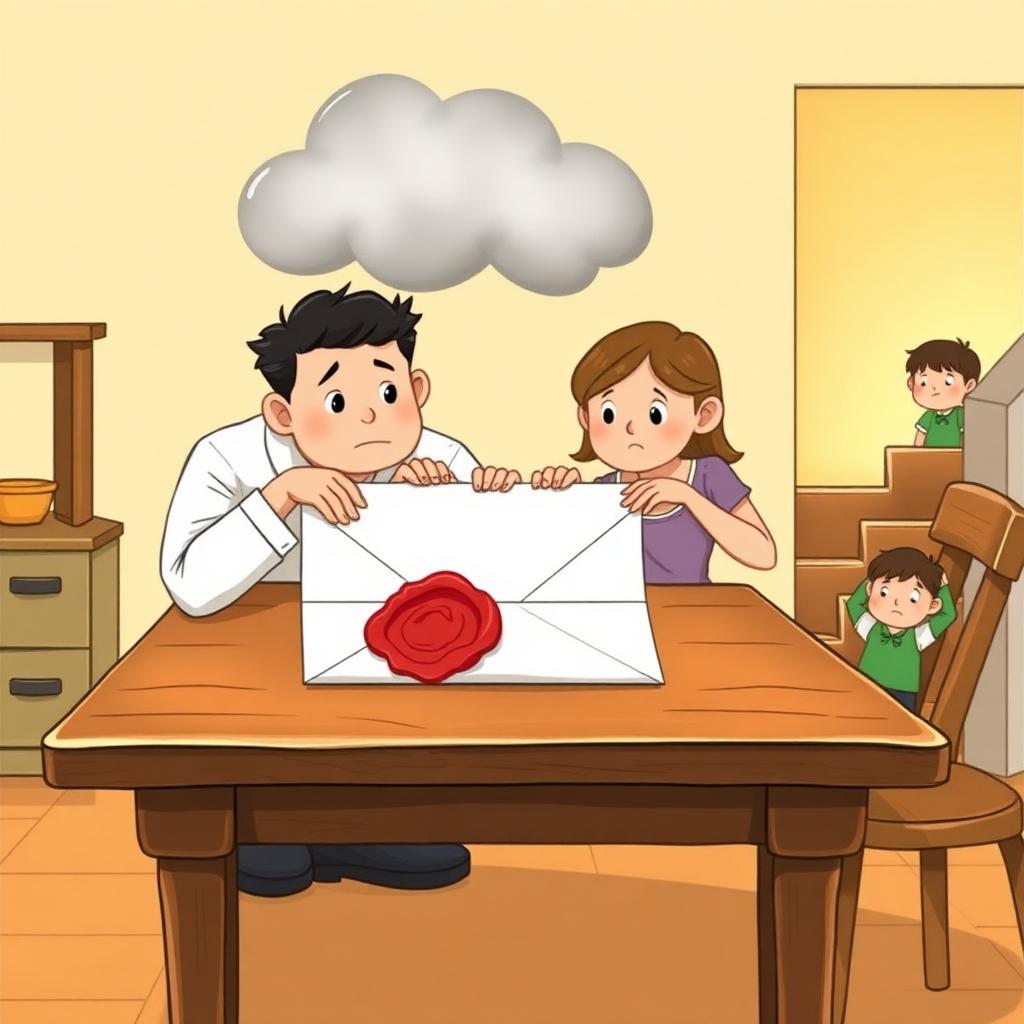
Then one day a letter came, and Adam watched his parents' faces change while they read it.
The man who owned the building — the building, not the restaurant — had received an offer from a buyer. A big one. Too tempting to refuse.
The rules said Adam's family had the first chance to buy the building themselves.
But only if they could pay the whole price.
And they had until a certain day. And then the door would shut, and the building would be sold over their heads, and the restaurant would close forever.
"How much is it?" Adam asked.
Baba told him the number.
Adam had never heard a number that big attached to a real thing.
"…Do we have that?"
"No, habibi," said Baba quietly. "We do not have that."
Every Door
So they did what anybody would do.
They asked.
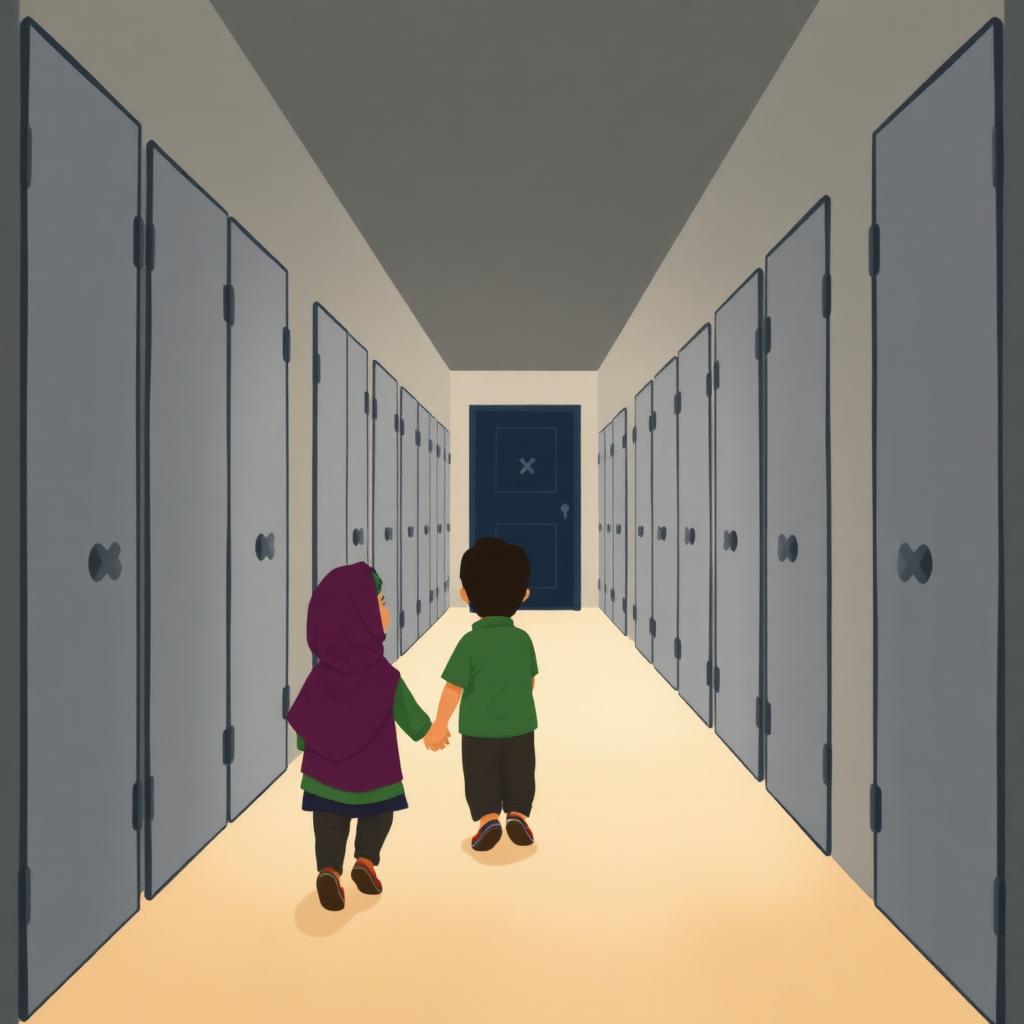
They asked their friends. They asked their family. They asked people they had fed for fifteen years. Adam sat on the stairs some nights and listened to the phone calls.
And here is the thing — everybody loved them.
But love is not the same as money.
One by one, gently, kindly, apologetically… the doors closed.
Click. Click. Click.
Until there was exactly one door left.
And it was the one door his parents had promised each other, before they were even married, that they would never, ever walk through.
The Door They Promised Not to Open
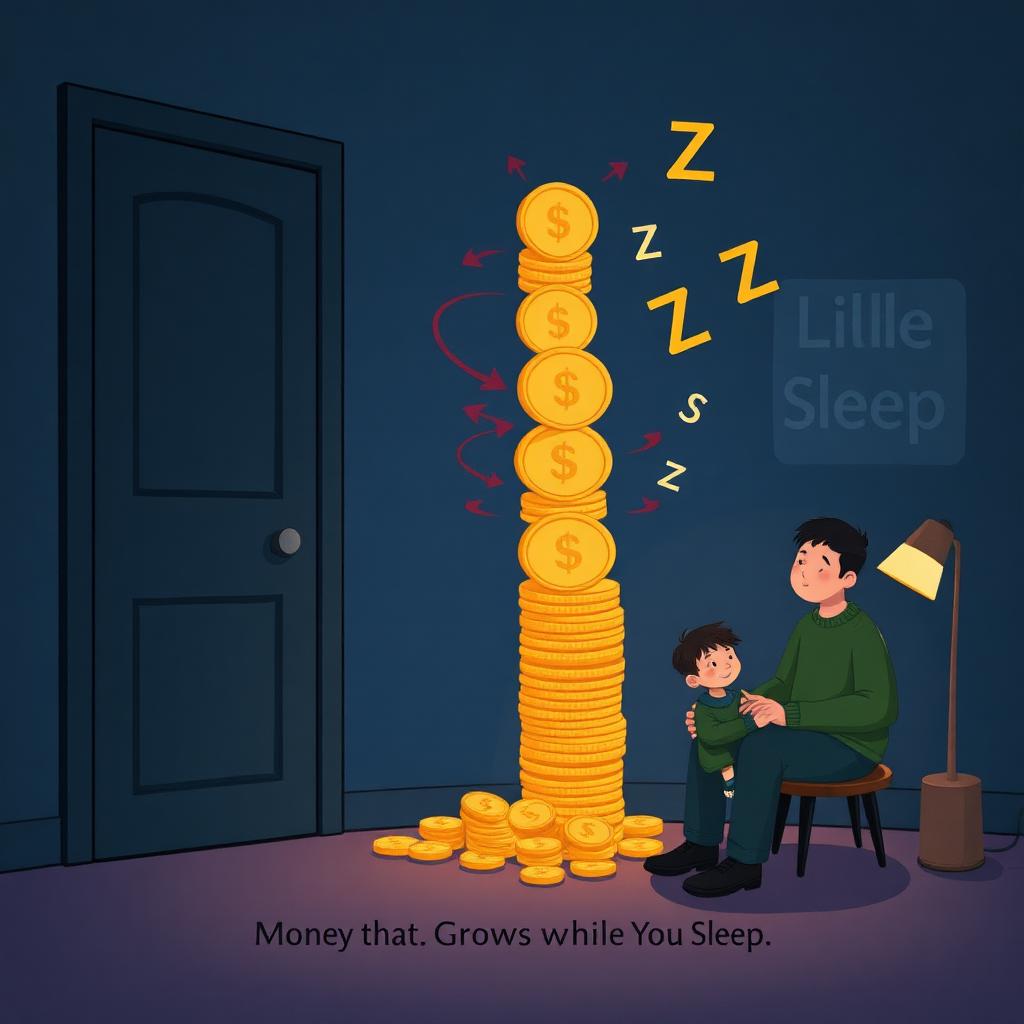
"There is a way to get money quickly," Baba explained that night, because he did not believe in hiding hard things from children. "A person will hand you the money you need today — but you must pay them back more than they gave you. And more. And more. Just for the waiting.
It grows while you sleep, Adam. It never stops growing. And if you are struggling, it grows faster.
It is called riba. And Allah has forbidden it."
Adam thought about it. "But… we need it. Doesn't that make it okay? Just this once?"
Baba was quiet for a moment.
"That is exactly what it whispers, habibi. It never feels like a sin. It feels sensible. It feels responsible. It feels like the only way.
But listen to me. There is only one wrong thing in this entire world about which Allah says this:"
فَأْذَنُوا بِحَرْبٍ مِّنَ اللَّهِ وَرَسُولِهِ
“…then be informed of a war from Allah and His Messenger.”
— Surah Al-Baqarah (2:279)
"A war, Adam. Not a mistake. Not a slip. A war.
Do you know why He warns us that loudly? Not because He wants to frighten us." Baba's voice went gentle. "Because He wants to save us from the thing that eats people alive. A warning that loud is a mercy. He cares far too much to let us wander toward harm in silence."
Then We Do Not Want It
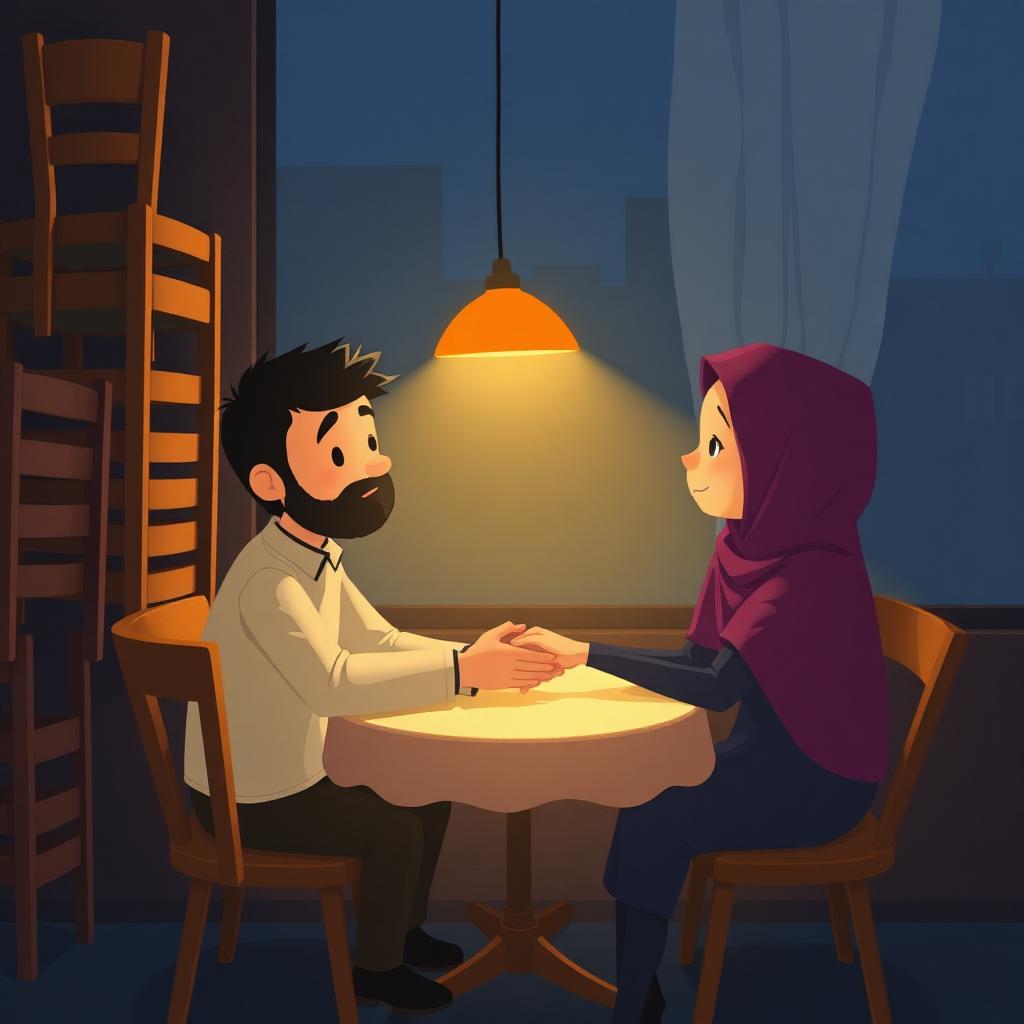
So Adam's parents sat at the wobbly table by the window, late at night, and they made the biggest decision of their whole lives.
And it was not the decision Adam expected.
"We would rather lose it," said Mama.
Adam's stomach dropped. "Lose it? The whole restaurant?"
"The whole restaurant."
"But Baba's been getting up at four in the morning for fifteen years —"
"Habibi." Mama took his hand. "If keeping this restaurant means displeasing Allah… then we do not want the restaurant.
Listen carefully, because I want you to remember this sentence when you are a grown man:
We would rather be poor and beloved to Him, than safe and at war with Him."
And Adam looked at his parents' faces, and he understood — for the first time in his nine years — that his mother and father were not ordinary people.
The Ten Days
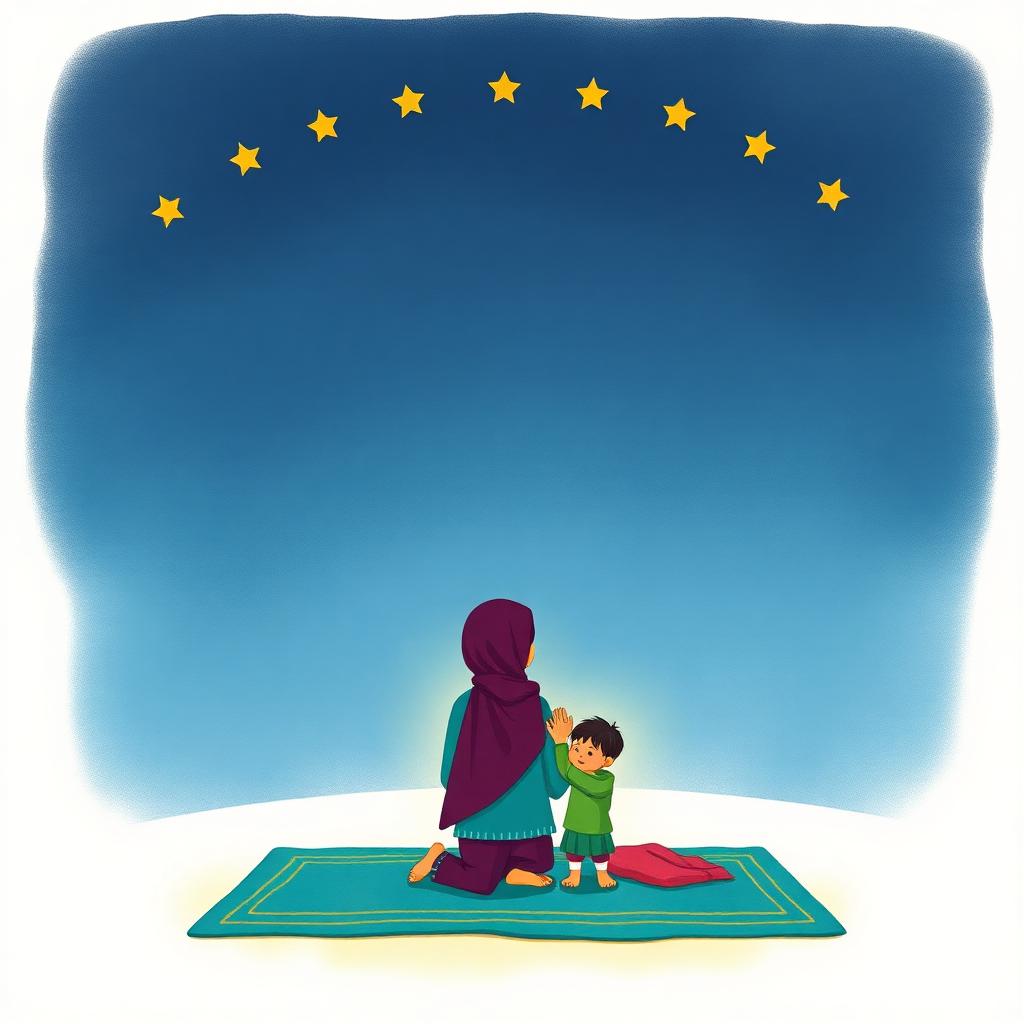
It was the first ten days of Dhul-Hijjah — the most blessed days of the whole year.
So Adam's family did the only thing left.
They lifted their hands.
And here is what surprised Adam most, and what he has never forgotten:
They did not ask for the restaurant.
Every night they asked for the same three things: that Allah be pleased with them. That He make a way out — if a way out was good for them. And if there was no way out, that He give them the strength to take that beautifully.
And one ayah held them together. Whenever the fear rose up in their chests, they went back to it, again and again, like holding a rope in the dark:
وَمَن يَتَّقِ اللَّهَ يَجْعَل لَّهُ مَخْرَجًا وَيَرْزُقْهُ مِنْ حَيْثُ لَا يَحْتَسِبُ
“And whoever fears Allah — He will make for him a way out, and will provide for him from where he does not expect.”
— Surah At-Talaq (65:2–3)
They did not know how.
They only believed that.
And it turns out — belief was enough.
Thirty Minutes Before Closing
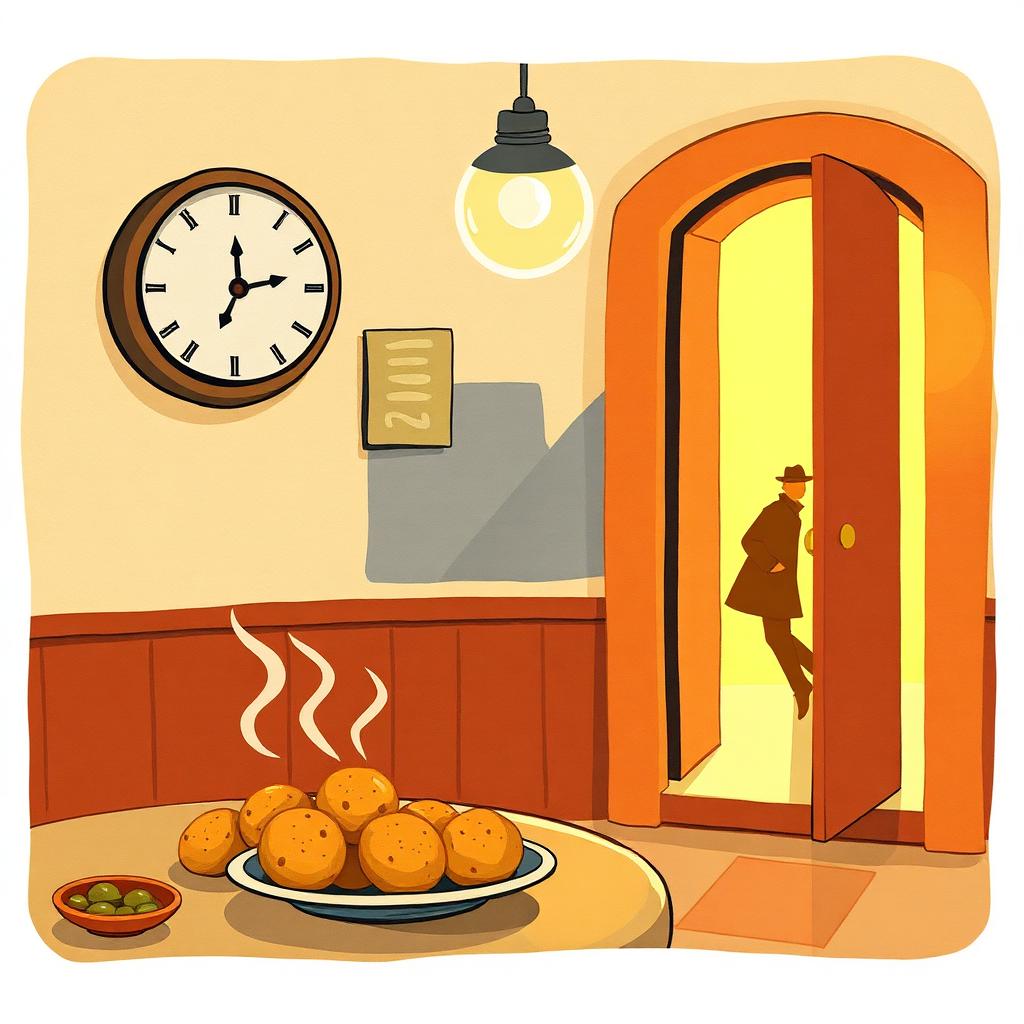
The last day came.
The money had not come.
And a strange calm settled over the little restaurant, because they had stopped fighting. They had made their peace. We tried it the way Allah loves. If this is the end, then it is a good end.
Mama began, very quietly, to think about boxes.
And then — thirty minutes before closing — on the very last evening, in the very last window of time they had — the door opened.
And a man walked in that none of them had ever seen before in their lives.
He sat at a table. He looked at the menu. And he ordered… some falafel.
Adam brought him the pickles.
The man ate. And then he looked up with his whole face lit and said, "This is wonderful. I've never been here before — I was just passing. I'll come back tomorrow and order more."
And Baba — because Baba does not lie, not ever, not even to be polite — said: "There won't be a tomorrow for us here. We've lost the building. We have to close."
The man put down his fork.
He asked what had happened. So Baba told him. The whole thing. The letter. The doors. The promise they had made and would not break.
And then the stranger — the stranger who had walked in for falafel — said the sentence that changed the entire course of Adam's family's life:
"I'll put up the money."
The whole amount. Not as a loan with interest. Not as riba. As a fair arrangement, where he would take a modest share when the building was later sold on — so that everybody, including him, did well.
Adam looked at his mother.
His mother had both hands over her mouth.
From Where You Do Not Expect
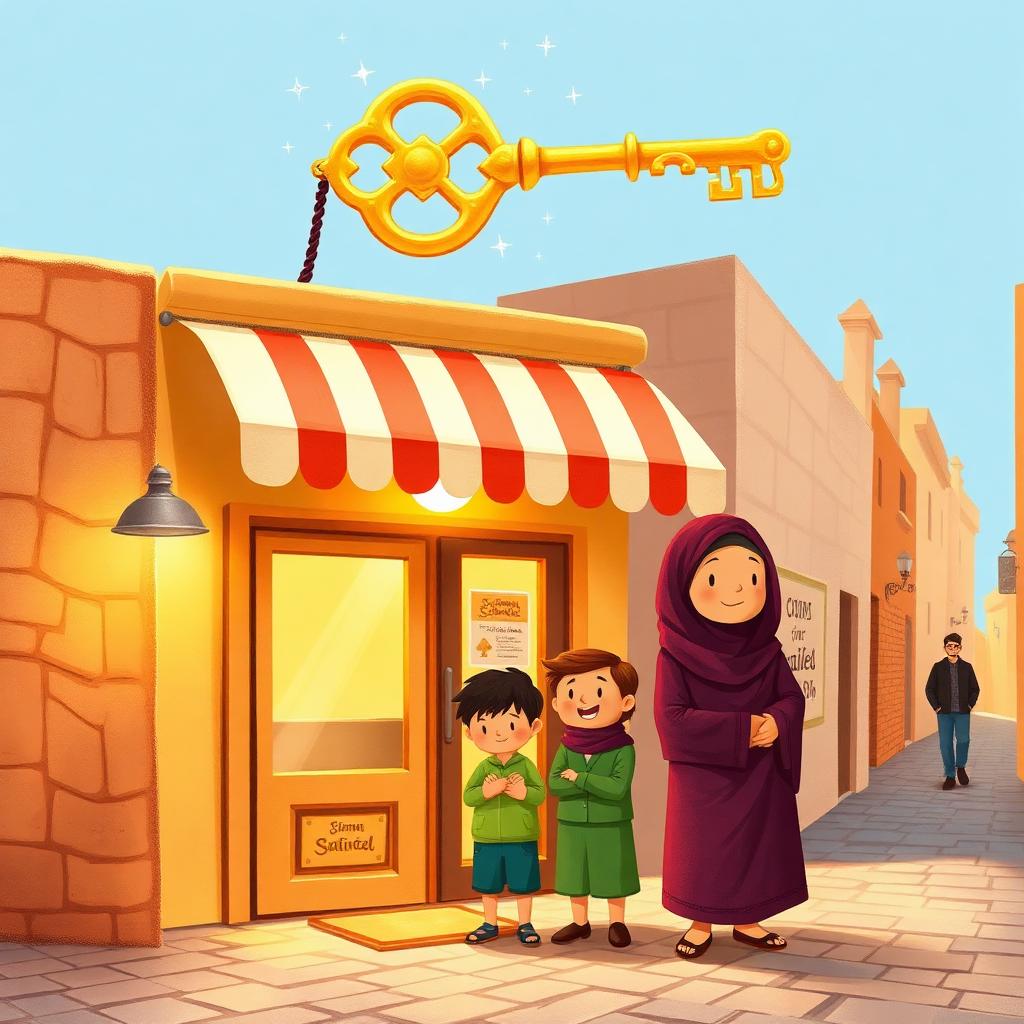
In less than twenty-four hours, the impossible became ordinary paperwork.
They bought the building.
No riba. No interest. Not one crack in the promise they had made to each other before they were married.
And the money came from a direction nobody on this earth could have guessed — through a man who wandered in for falafel and wandered out having quietly rebuilt their whole future.
How did that happen?
Adam's family has only one explanation, and it is not a clever one.
They were willing to lose everything rather than displease Allah.
They held the rope. And He did not let them fall.
And here is the last thing Adam's Baba told him, on the night they signed the papers:
"Riba whispers one thing, habibi. Underneath all its cleverness, it only ever whispers one thing:
Allah is not enough for you.
And our little story — small and ordinary and undeserving as we are — is one quiet proof that He always was."
وَمَن يَتَوَكَّلْ عَلَى اللَّهِ فَهُوَ حَسْبُهُ
“And whoever relies upon Allah — then He is sufficient for him.”
— Surah At-Talaq (65:3)
That verse did not just comfort them.
It came true. In real time. In a small restaurant that smelled of garlic and mint. Thirty minutes before closing.
O Allah, keep our food pure and our money clean. Give us a way out from every tight place, and provide for us from where we do not expect. Make us of those who would rather lose everything than displease You — and let us never, ever believe the whisper that You are not enough.
Ameen.
For young shopkeepers to try
- 1
Ask where it came from. Before you take anything — a coin, a prize, a deal — ask the only question that matters: is this pure? Clean money is worth more than a lot of money.
- 2
Learn the whisper. The wrong thing almost never says 'be bad.' It says 'be sensible.' It says 'just this once.' It says 'you have no choice.' You always have a choice.
- 3
Ask for the right thing. When you make du'a, do not only ask for the thing you want. Ask that Allah be pleased with you — and that He open the way, if the way is good for you.
- 4
Hold the rope. When you are frightened, take one ayah and hold on to it and say it until your chest goes quiet. That is what it is for.
- 5
Wait for the falafel man. Allah's help often arrives in the last half hour, through the door you were not watching, in a shape nobody would have predicted. Do not close the door early.